Henry Hazlitt Quotes
You cannot make a man worth a given amount by making it illegal for anyone to offer him anything less. You merely deprive him of the right to earn the amount that his abilities and situation would permit him to earn, while you deprive the community even of the moderate services that he is capable of rendering. In brief, for a low wage you substitute unemployment. You do harm all around, with no comparable compensation.
Hazlitt, Henry. Economics in One Lesson. Harper & Brothers, 1946, p. 137.


Although aggregate employment has remained relatively stable as global free trade has become the U. S. policy, there has been major employment disruption with some types of people benefiting and others like blue collar manufacturing workers having their entire careers wiped out. Port cities like Seattle, Baltimore have boomed while Midwestern manufacturing cities have deteriorated greatly.


This is the classic conservative argument against raising the minimum wage. Historically, if the minimum wage was raised well after there has been a period of wage inflation, there has been little or no negative effect on the lowest paid workers. However, when the minimum wage has been raised during a period of wage stability, there is an effect of making some workers simply not worth the rate that they must be paid. However, even then, after a year or two, the negative effect begins to dissipate.
This is the major argument always given against raising the minimum wage. Historically, however, when the minimum wage has been increased there has never been a large increase in the unemployment rate. However, if the increase would be huge it would likely have the effect of pricing some workers out of the market. Like so many other elements of politics, moderation is important.


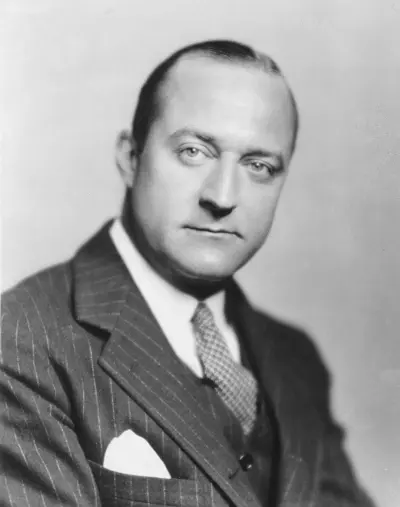
Henry Stuart Hazlitt was an American journalist who wrote about business and economics for such publications as The Wall Street Journal, The Nation, The American Mercury, Newsweek, and The New York Times.
