William Quandt Quotes
You cannot impose democracy by force of arms.
William Quandt, Senior Fellow in Foreign Policy Studies at the Brookings Institution, Speech, Virginia Festival of Books, March 23, 2006
Sourced by: Eigen's Political and Historical Quotations


Speaking in favor of an end to the U. S. economic boycott of Cuba.


While this has been one of the great American principles of political philosophy, in reality we have on many occasions interfered when a people chose an enemy of the United States or made a choice of a government which would seize power and not allow any further free choices. However, from the time JFK made this statement to today, our foreign policy record has become much better on implementing this principle.


This quotation of a very popular Muslim cleric illustrates the wide range of political views of Islamic leaders and authorities. Whereas most shun democracy as placing public opinion over the word of God, there are many like al-Qaradawi who have a modernist interpretation of Islam.


His way was to have a strong dictator, providing few human rights guarantees, and very limited civil liberties. With that to extol the virtues of those democratic elements, and state that this is the goal that his dictatorship was working towards. He believed that the poor education, the dominance of a single religion that is itself non democratic, a powerful military that was not under the control of civilian government, and the tribal nature of his society made it impossible to have a current full democracy. The government that replaced him was better but far from a full democracy. Only time and trial will determine whether or not he was right.

She was referring to the aftermath of the Iraq War.


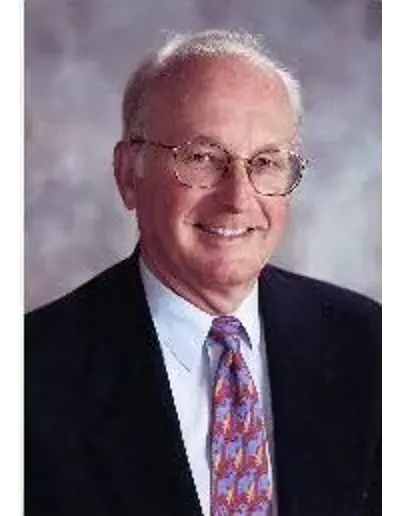
William B. Quandt is an American scholar, author, professor emeritus in the Department of Politics at the University of Virginia. He previously served as senior fellow in the Foreign Policy Studies Program at the Brookings Institution and as a member on the National Security Council in the Richard Nixon and Jimmy Carter administrations. He was actively involved in the negotiations that led to the Camp David Accords and the Egypt–Israel Peace Treaty. His areas of expertise include Algeria, Egypt, Israel, Palestine, the Israeli–Palestinian peace process, and U.S. foreign policy.
