Livy Quotes
When Tarquin the Proud was asked what was the best mode of governing a conquered city, he replied only by beating down with his staff all the tallest poppies in his garden.
Livy. The History of Rome. Translated by Rev. Canon Roberts, J. M. Dent & Sons, 1912, Book 1, Ch. 54.


At the time of this statement most people thought that Bush was joking. But by the end of his Presidency many looked back on the quote and thought that Bush had such preferences. He unilaterally took the country into the Iraq War and assumed Presidential Powers that no other president had ever attempted. Most serious, his administration actually took the formal legal position that the President did not have to obey the law if he unilaterally thought that it was not in the nation’s interest from the point of view of the Commander in Chief. So many debate whether this quotation was a light hearted joke of a harbinger of his real feelings about the Presidency.


Bhutto, after Pakistan’s defeat by India, initiated a massive nuclear bomb development program which was contrary to the Nuclear Non-Proliferation policy of the United States. Bhutto went ahead anyway and soon Pakistan had a nuclear capability, much to the distress of the other nuclear powers in the world.

Prevented by the Military from ever taking office. She was commenting on recent attacks against minority Muslims by the majority Buddhists and one of the major reasons she claimed was the lack of trust in the Muslim community that had developed during the period of military dictatorship.


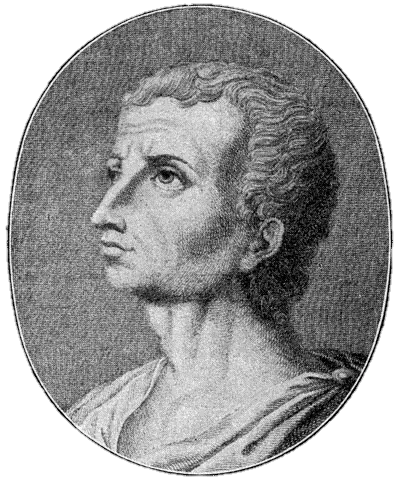
Titus Livius (/ˈlɪviəs/ LIV-ee-əs, Latin: [ˈtɪtʊs ˈliːwijʊs]; 64/59 BC – AD 12/17), known as Livy (/ˈlɪvi/ LIV-ee) in English, was a Roman historian. He wrote a monumental history of Rome and the Roman people, titled Ab Urbe Condita, ''From the Founding of the City'', covering the period from the earliest legends of Rome before the traditional foundation in 753 BC through the reign of Augustus in Livy's own lifetime. He was on familiar terms with members of the Julio-Claudian dynasty and even in friendship with Augustus, whose young grandnephew, the future emperor Claudius, he exhorted to take up the writing of history.
