Mercy Otis Warren Quotes
When every man of liberality, firmness and penetration who cannot lick the hand stretched out to oppress, is deemed an enemy to the State—then is the gulph of despotism set open, and the grades to slavery, though rapid, are scarce perceptible—then genius drags heavily its iron chain — science is neglected, and real merit flies to the shades for security from reproach — the mind becomes enervated, and the national character sinks to a kind of apathy with only energy sufficient to curse the breast that gave it milk
Originally it was published in Boston under the name “A Columbian Patriot.”
Mercy Otis Warren, 1748-1814, American Revolutionary Political Writer, Observations on the new Constitution, and on the Federal and State Conventions, 1788
Sourced by: Eigen's Political and Historical Quotations


Describing the proposed U. S. Constitution:

In Russia at the time, serfs were little better off than slaves. Not only did they have to obey their landlords in all things, but any who advocated disobedience on their part were beaten and sent to Siberia. Exile to the Siberian Gulags was not an invention of the Communists of the 20th century although they used that punishment in unprecedented numbers. It was used by the Czars and the Empress.


Spinoza’s ideas were considered so radical and dangerous that he was the only man in history who was excommunicated by the Catholics, the Jews and the Muslims.


Urging a presidential veto of a tough ethics law prohibiting unethical behavior on the part of government officials:


Originally it was published in Boston under the name “A Columbian Patriot.”

Eggleston was an accomplished writer who had served in the Confederate army of the Civil War. 20 year after the war he wrote a series of articles for the prestigious Northern Atlantic Monthly trying to convey the war from the Southerner’s point of view.

He was expelled from Parliament for such.


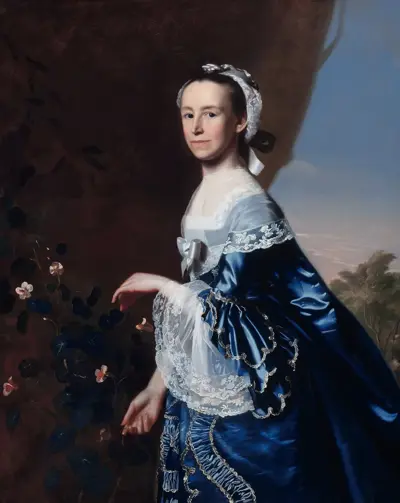
Mercy Otis Warren was a poet, playwright and pamphleteer during the American Revolution. During the years before the American Revolution, Warren published poems and plays that attacked royal authority in Massachusetts and urged colonists to resist British infringements on colonial rights and liberties. She was married to James Warren, who was likewise heavily active in the independence movement.
