H. L. Mencken Quotes
What ass first let loose the doctrine that the suffrage is a high boon and voting a noble privilege?
Mencken, H. L. Notes on Democracy. Alfred A. Knopf, 1926.


What is interesting, that few people realize, is that large number of men who had never voted before, and would not be able to vote afterwards (the were not property owners for example), were allowed to vote in the ratification debate. As a result, an entire new socio-economic class was empowered and became interested in politics for the first time in history. The result was greater and wider public interest than there had been or would be for many years to come. All voting requirements had been set by the states and were still so after the Constitution was adapted and still is the current situation, although there has been a constant battle in many states to keep Blacks and other minorities from voting between the desires of the states and Federal pressure after the Civil War Constitutional amendments.


Even after the South was defeated in the Civil War, most Southern politicians strove to keep the newly freed Blacks from voting. The vehicle they chose to attain that purpose was the concept of States’ Rights where the states were the sole determiners of who could and could not vote. The majority of the country rejected that view and the Constitution was amended to allow Black men to vote. After reconstruction Black voting in the South was curtailed substantiality by devices such as poll taxes and literacy requirements and terror and intimidation. It was not until the latter part of the 20th century that most Blacks could vote in the Southern States.
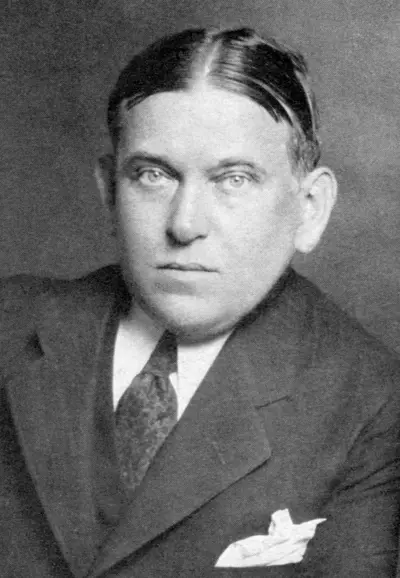
Henry Louis Mencken was an American journalist, essayist, satirist, cultural critic, and scholar of American English. He commented widely on the social scene, literature, music, prominent politicians, and contemporary movements. His satirical reporting on the Scopes Trial, which he dubbed the "Monkey Trial," also gained him attention.
