Ignatius Donnelly Quotes
We have witnessed for more than a quarter of a century the struggles of the two great political parties for power and plunder, while grievous wrongs have been inflicted upon the suffering people. We charge that the controlling influences dominating both these parties have permitted the existing dreadful conditions to develop without serious effort to prevent or restrain them.
Ignatius Donnelly, 1831-1901, U. S. Congressman (Republican, MN), Lt. Governor of Minnesota, Populist Party Platform, 1892
Sourced by: Eigen's Political and Historical Quotations

The Populist Party was a third party that elected both Congressmen and Senators. See {625723} & {625718}.


Rafael Edward "Ted" Cruz" Rafael Edward ""Ted"" Cruz

Trump often used the phrase "Drain the swamp" in his campaigning to mean get ride of the establishment figures who had, for the most part, dominated politics, for decades. When he was elected, he had to appoint a cabinet, but when he did so, it was almost exclusivly made up of people who had been a part of the political and corporate establishment -- the swamp.


There were many national politicians who would publicly castigate homosexuals and yet were themselves gay and in effect were living two lives. For them “coming out of the closet” had a temporary meaning restricted to time and place and then they would go back “in the closet” for their public personae.


Begala was commenting on a newspaper expose that President Bush had appointed over 100 lobbyists to administrative government posts in the area for which they had previously lobbied.
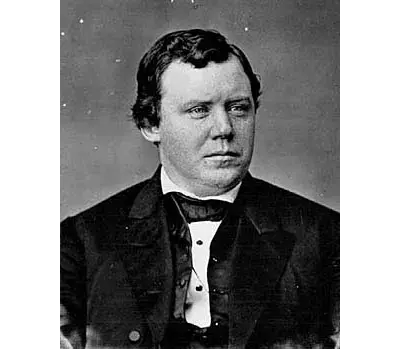
- Born: November 3, 1831
- Died: January 1, 1901
- Nationality:
- Profession:
Ignatius Loyola Donnelly was an American Congressman, populist writer, and amateur scientist. He is known primarily now for his fringe theories concerning Atlantis, Catastrophism (especially the idea of an ancient impact event affecting ancient civilizations), and Shakespearean authorship, which many modern historians consider to be pseudoscience and pseudohistory. Donnelly's work corresponds to the writings of late-19th and early-20th century figures such as Helena Blavatsky, Rudolf Steiner, and James Churchward.
