Tomas Estrada Palma Quotes
We cannot prevent rebels from entering cities and burning property..
He had secretly asked the United States to send American troops back to Cuba to help keep law and order as the Cubans could not nor could they govern the polarized society that had been festering under incompetent Spanish rule. President Roosevelt was furious that the Cubans could not govern the country. See {640520}.
Tomas Estrada Palma, 1835-1908, First President of Cuba, Statement to American Diplomats in Havana, September 12, 1906, Quoted in memo from Cuban Counsel General Steinhart to the War Department, September 13, 1906
Sourced by: Eigen's Political and Historical Quotations

See {640521} for the trigger of his anger. This is a good example of a politician using indiscreet hyperbolic terms in anger. In a different time, the President might have been accused of planning extermination and genocide of the Cuban people.


There is a , romantic American myth about the Militiamen in Colonial and Revolutionary America—the citizen soldiers who would leave their farms and rise to the military necessity of the day. However, not only were the militia very hard to muster to duty, but most actually didn’t own or have experience with firearms, and the prevailing opinion of knowledgeable military leaders from George Washington on down was that the militia were not very good soldiers. See {613015}, {613016}, {613022}, {613027}, {621987}, {621988}, {613030}, {613033}, & {613056}

The commander complained of the brutal behavior of Bolivar and the revolutionaries, but the atrocities committed by the Spanish forces were even worse and both sides fought with techniques that had no civilized restraints.


The Army actually violated the laws of West Virginia as well as the Constitutional rights of thousands of people. The justification was that there was a labor dispute in the West Virginia mines and there had been some violence. Capt. Morgan was one of three military officers of a military court which actually took over and assumed absolute control of the strike district. They army broke many more laws than they enforced.


This quotation shows that the dissent leading to the American Revolution did not emerge suddenly in 1776 after the Battle of Bunker Hill. Dissent, sedition and even violence was documented here in 1774. Salem at the time was the second largest port in the colony and the customs tax collectors—Loyalist Americans—were run out of Salem.

He fought in Algeria and other counterinsurgencies and then studied them. He wrote the classic book on counterinsurgency warfare. After all the mistakes the U. S. made after the successful invasion of Iraq, his book and doctrine were very influential in the change in strategy and tactics that turned the Iraq War in our favor.

The Roman Catholic Defender Organization had about 300 thousand volunteers, and Belfast was the central location of the Defender leaders.


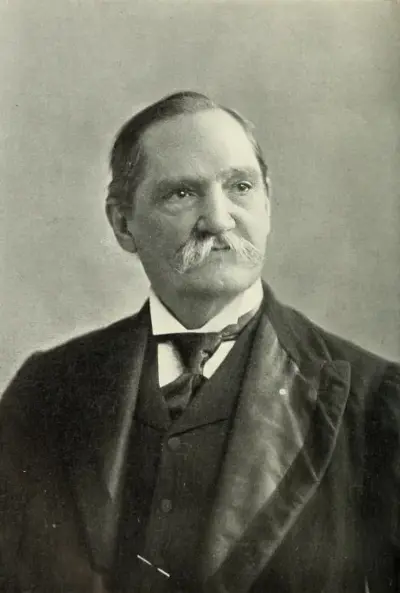
- Born: July 6, 1832
- Died: November 4, 1908
- Nationality:
- Profession:
Tomás Estrada Palma was a Cuban politician and the first President of Cuba. Initially he was the President of the Cuban Republic in Arms during the Ten Years' War and again between May 20, 1902 and September 28, 1906. His collateral career as a New York City Area Educator and writer enabled Estrada Palma to create Pro-Cuban literature aimed at gaining sympathy, assistance and publicity. He was eventually successful in garnering the attention of influential Americans. He was an early and persistent voice calling for the United States to intervene in Cuba on humanitarian grounds. He was the first President of Cuba, between May 20, 1902 and September 28, 1906. During his presidency his major accomplishments include improving Cuba's infrastructure, communication, and public health.
