Harry Hopkins Quotes
We are the worst propagandists in the world, and you are the next worst. Why not consult someone better?
Hopkins was addressing British World War II leaders who asked him for America's views on the type of propaganda the British should conduct:
Harry Hopkins, 1890-1946, U. S. Secretary of Commerce (Democrat), Director, Works Progress Administration, Director, Federal Emergency Relief Administration, Special Assistant to the President, Remark, London, April 15, 1942
Sourced by: Eigen's Political and Historical Quotations


Often diplomats and negotiators, coming from different cultures and different counties, and having different points of view and previous experiences, don't even have the same view of that they are there for, what is the object of their negotiations, what the problem or problems are. Sullivan observes that this often takes more time than the actual negotiations.


In 1963 the White House Chief of Staff, Walter Jenkins, was arrested for homosexual solicitation at the YMCA. Johnson fired Jenkins but was personally very supportive to an old friend and advisor. However, the story was the major media story of the time. Johnson was preparing a major speech and hoped to get the Jenkins story off the front page.


The Secretary of State had obtained an agreement of Israel and the Palestinians to open Peace Talks. The press immediately wanted to know who was saying what to whom and what positions the parties had. However, this was a classic example where transparency would make successful negotiations impossible—it would end the negotiations before the parties could even discuss possible alternatives.


Although Great Britain had abolished slavery, British economic interests during the Civil War suffered because of the northern blockade of the South. Much political opinion in England was hostile to the blockade policies of the Union. Bright, a great admirer and supporter of the United Sates and the Union cause was concerned that the United States might drift into War with Great Britain. His letter to Senator Sumner was written with the understanding that it would be in shared with President Lincoln, and it was actually read at a cabinet meeting.


This is an interesting historical quotation because it shows the role of the Queen in the English Government at the middle of the 19th century. What the quotation shows is that the drafts of significant foreign policies were sent to the young 29 year old Queen for approval. However, her review was not perfunctory, In {630732} it showed how she analyzed proposed policies and pointed out flaws and shortcomings. In this quotation she not only criticized a part of the draft policy but actually wrote her own copy to be included. War was then raging in Lombardy between the Austrians under Marshal Radetzky and the Piedmontese under the King of Sardinia and she believed the Palmerston draft did not do enough to make the Austrians see England as an objective party. And she wanted to be much more proactive and have the British Foreign Ministry mediate the conflict. This would be like a President of the United States taking a draft of a foreign policy from the State Department, instead of either approving or disapproving it, redrafts it to add some additional elements and make the language more comfortable for the parties. And she did this when by U. S. standards she was not old enough to even run for Congress. (And women in the United Kingdom could not even vote.) Note that the formality of the time required that the Queen refer to herself in the third person and not the first.


FDR was hoping to defeat or at least stop Hitler and Germany by arming England and Russia and thus avoid having American troops committed. However. when the Japanese launched their sneak attack on Pearl Harbor, Hitler immediately declared war on the United States, and our troops were suddenly in a two continent war.

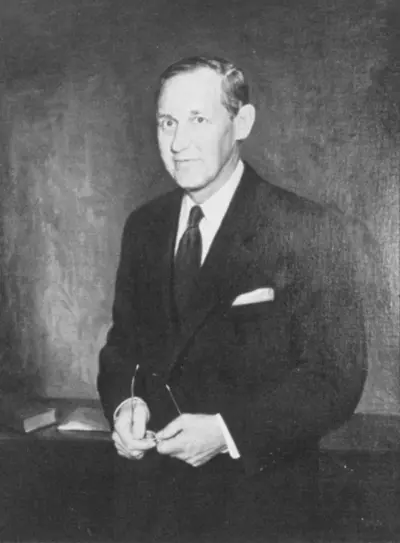
Harry Lloyd Hopkins was the 8th Secretary of Commerce, and President Franklin Delano Roosevelt's closest advisor on foreign policy during World War II. He was one of the architects of the New Deal, especially the relief programs of the Works Progress Administration (WPA), which he directed and built into the largest employer in the country. In World War II, he was Roosevelt's chief diplomatic troubleshooter and liaison with Winston Churchill and Joseph Stalin. He supervised the $50 billion Lend-Lease program of military aid to the Allies.
