Francis Fukuyama Quotes
Today, no country can ever truly cut itself off from the global media or from external sources of information. Trends that start in one corner of the world are rapidly replicated thousands of miles away.
Francis Fukuyama, Political Scientist, Quoted in Thomas Friedman, The Lexus and the Olive Tree
Sourced by: Eigen's Political and Historical Quotations


An economic bubble occurs when the investing public with little logic and facts to support it actions exhibits great enthusiasm and overvalues some kind of asset with the logic that the price is going up and someone later will pay more than I just did—sometimes called the “greater fool theory”. Historically Fama claims that there were no bubbles until there were media to whip up the irrational enthusiasm necessary for a bubble to take place. Capitalist history is full of bubbles ranging from real estate, to tulips; from silver to dot com shares. The damage is always great to the people at the end who are stuck with the object of the bubble which few people want any more. In the period before the bubble, lots of people make money contributing to the demand for the object of the bubble.


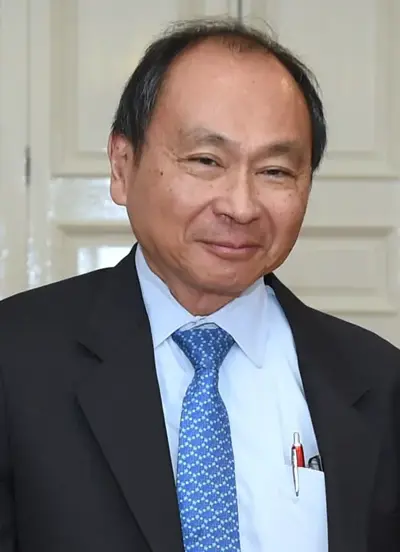
Yoshihiro Francis Fukuyama is an American political scientist, political economist, and writer. Fukuyama is known for his book The End of History and the Last Man (1992), which argues that the worldwide spread of liberal democracies and free-market capitalism of the West and its lifestyle may signal the end point of humanity's sociocultural evolution and become the final form of human government. However, his subsequent book Trust: Social Virtues and Creation of Prosperity (1995) modified his earlier position to acknowledge that culture cannot be cleanly separated from economics. Fukuyama is also associated with the rise of the neoconservative movement, from which he has since distanced himself.
