Gotthold Ephraim Lessing Quotes
To borrow scarce is better than to beg; As lending, lending upon interest, Scarce better is than stealing.
Lessing, Gotthold Ephraim. Nathan the Wise. Translated by William Taylor, Cassell & Company, 1886.

Sherman, at the height of the California Gold Rush, took a private assignment for Moffett & Company, establishing and running an assaying, banking and minting company in San Francisco
Such an interest rate was not considered high, much less usurious.


This was the equivalent of 8.3 percent.


Usury in orthodox Muslim terms means the charging of interest. Modern Islamic societies have developed a variety of methodologies for dealing with the usury prohibition yet functioning in a modern capitalist system. Orthodox Jews also have a Biblical prohibition against loans with interest. Fundamentalist Protestants of some sects also believe that loaning or borrowing money and charging interest is a sin prohibited by God.

Manava Dharma Shastra. Ancient Jewish law prohibited the charging of interest. The early Christian world frowned upon it and morally and legally vacillated from time to time. Islam outlawed interest completely and some orthodox Muslims and Muslim counties loans with interest are illegal. However the ancient Hindus not only allowed interest but felt that it was such an important component of the economy that there were numerous regulations, religions and legal regulating it. This example made 5 percent the maximum allowable interest rate. This text is a part of the Hindu Holy Texts. Hindus believe that Manu was a prophet whose text is revealed or inspired.
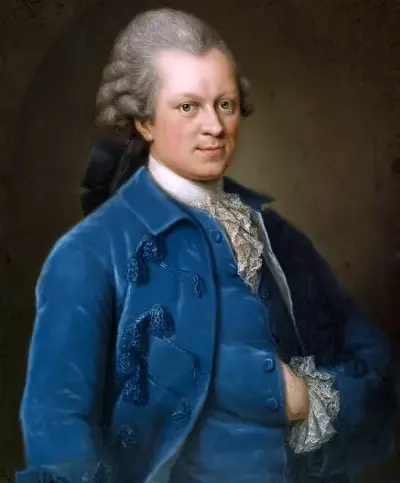
Gotthold Ephraim Lessing was a German writer, philosopher, dramatist, publicist and art critic, and an outstanding representative of the Enlightenment era. His plays and theoretical writings substantially influenced the development of German literature. He is widely considered by theatre historians to be the first dramaturg in his role at Abel Seyler's Hamburg National Theatre.
