John Sulston Quotes
There's always a tension between those who would like to garner wealth, and they contribute a lot to society. There's also those who say, 'I believe in the common good. I want that to be enlarged.' They contribute a lot to society. The tension, the debate, between these two views is extremely important to our progress.
Sulston, John E., and Georgina Ferry. The Common Thread: A Story of Science, Politics, Ethics and the Human Genome. Bantam Press, 2002.


The Projet was not published until after his death.


Colman’s view that business failures contributing to society may be more important than the contributions of the wealthy and successful has been a common theme where failed business men make great politicians (Truman) or failed politicians are appreciated as great philosophers (Paine). This seems to be the first American argument that a failed economic enterprise can have a very beneficial short and/or long term effect on economic development. The failed business could start an entire industry which succeeds later when technology or capital becomes more readily available, or even if implemented by a better manager. Arguably, the California gold rush miners never made any significant money, but their presence changed the economic fact of California. The American airline industry has made little or no money in its history but has enabled development throughout the nation. And the dot com bubble may well have been an economic debacle of the end of the 20th century, but it spurred economic development that has benefited the entire globe.

After Turkey’s defeat in WWI, some Turkish leaders like Riza Nur wanted Turkey to become a colony of America. This they believed would hasten Turkey’s development and modernization.


We are still grappling with the distribution of wealth issue.


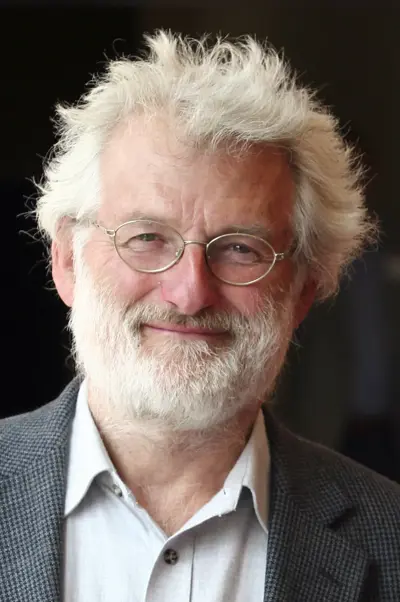
Sir John Edward Sulston CH FRS MAE was a British biologist and academic who won the Nobel Prize in Physiology or Medicine for his work on the cell lineage and genome of the worm Caenorhabditis elegans in 2002 with his colleagues Sydney Brenner and Robert Horvitz. He was a leader in human genome research and Chair of the Institute for Science, Ethics and Innovation at the University of Manchester. Sulston was in favour of science in the public interest, such as free public access of scientific information and against the patenting of genes and the privatisation of genetic technologies.
