Henry Charles Carey Quotes
The whole action of the laws tended to increase the number of consumers of food and to diminish the number of producers, was due the invention of the Malthusian theory of population.

From a technical and production point of view, there is no practical limit to population size that is imposed by food production. We can produce sufficient food for the world even if population increases dramatically. None the less, even today we have some starvation and much malnutrition problems. These however are political, economic and tend to be distributional. We can produce the food. Morris does NOT advocate large population growth. Although food need not be a problem with an expanding population, job availability, medical care, energy, land, natural resources, ethnic hatred, migration, violence, and other problems are produced by population growth.


Malthus wrote about the consequences of overpopulation. See{606180}, {606181}, {493953}.


At the time most people did not realize that the ability of a nation or land area to support a population was dependent more on agricultural and industrial productivity than on population size. In the most affluent and developed countries, land outside of the cities is quite affordable and available, whereas in poor, underdeveloped nations, land distribution and reform is still a factor. The majority of citizens of many developed, affluent nations do not own any land.
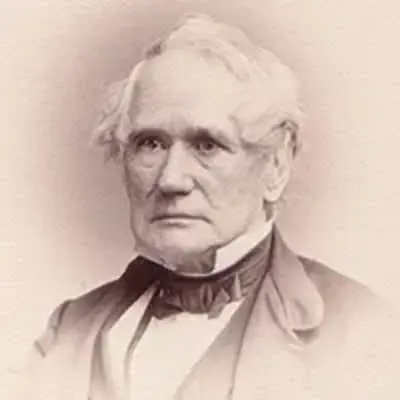
Henry Charles Carey was the leading 19th-century economist of the American School, and chief economic adviser to U.S. President Abraham Lincoln.
