Robert H. Jackson Quotes
The very nature of executive decisions as to foreign policy is political, not judicial.
Robert Houghwout Jackson, 1892-1954, Chief Prosecutor, Nuremberg War Crimes Tribunal, U. S. Attorney General (Democrat), U. S. Supreme Court Justice, Chicago and S. Airlines v. Waterman S. S. Corp., 1948
Sourced by: Eigen's Political and Historical Quotations


It was only since Theodore Roosevelt’s presidency that the public received very much information about what the nation’s foreign policy was or was even desired except in time of war.


The US Congress passed the Magnitsky Act which allowed parties to sue in American Courts, Russian companies and individual wrongs committed against Russian Citizens in Russia. (The Russian prison system controlled by some corrupt powers in Russia had killed Magnitsky for exposing some massive corruption of some Russian officials. Although morally justified, legally the act was an interference in another nation’s internal affairs.) The Russians then banned the adoptions which actually hurt them far more than the U. S., but it was a retaliation which to maintain their dignity and sovereignty the Russians felt was necessary. It is an excellent example of the lack of predictability and reaction to various foreign policy moves. Retaliation could take any form, related or not, proportional or not, rational or not.

The plan was to have an American agent with a few marines make an alliance with a rival to the throne of Algiers and depose the existing ruler with American “special forces”.


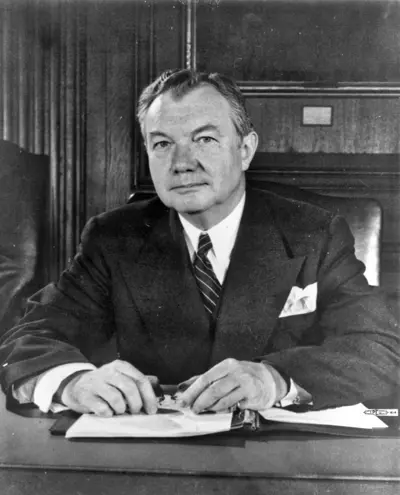
Robert Houghwout Jackson was an American attorney and judge who served as an Associate Justice of the United States Supreme Court. He had previously served as United States Solicitor General and United States Attorney General, and is the only person to have held all three of those offices. Jackson was also notable for his work as Chief United States Prosecutor at the Nuremberg trials of Nazi war criminals following World War II.
