E. B. White Quotes
The time not to become a father is eighteen years before a war.
White, E. B. "The Flocks We Watch by Night." One Man's Meat, Harper & Brothers, 1942, p. 57.


With a professionalized all volunteer military, most of whom came from just a few socio-economic strata of our society, wars at the time were fought and the risks and burdens borne by a small part of American society. The rest of society, unlike the Second World War did not experience any change in their style or standard of living.


After the U. S. entered World War I, the issue of military conscription was debated and opposed by many of the congressional leaders:

Lee had advised the Southern leadership to avoid secession and the war that would follow. However, the Southern leaders did not really believe that the remainder of the Nation would fight and take casualties to end the institution of slavery. While many would not, they misjudged the intensity of those who would, the moral power of the abolitionists and most Northern religious leaders. Nor did they understand the importance to most Northerners of preserving the Union. And they really had no comprehension of the industrial capability of the Northern free labor states or the importance of that in a long protracted war. Lee, more sophisticated than the other Southern leader, had a more realistic assessment, but thought that there was a chance that the South might have enough early success that the North would politically make the war untenable, but he realized the cost in men and material under the best of circumstances. Lee’s surrender came shortly afterward.


This was a precursor of the total war views of William Tecumseh Sherman and Ulysses S. Grant during the American Civil War half a century later.

1st Earl Baldwin of Bewdley. Though members of the same Conservative Party, Churchill was a major opponent of Baldwin’s peace and “appeasement” efforts and publicly castigated Prime Minister Baldwin. Yet Baldwin, if he could not stave off war, wanted his critic to serve as Prime Minister if war was inevitable. Churchill never had much respect for Baldwin. See {626930}.

Referring to the many mistakes made in the implementation and planning of the Iraq War.


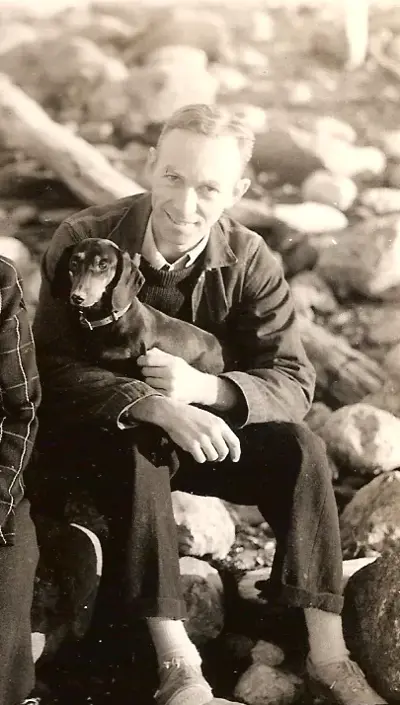
Elwyn Brooks White was an American writer. He was the author of several highly popular books for children, including Stuart Little (1945), Charlotte's Web (1952), and The Trumpet of the Swan (1970). In a 2012 survey of School Library Journal readers, Charlotte's Web came in first in their poll of the top one hundred children's novels. In addition, he was a writer and contributing editor to The New Yorker magazine, and also a co-author of the English language style guide The Elements of Style.
