Chris Ware Quotes
The thing I don't understand is why so often one hears discussion of the fruits of human labor as if it's all the creation of some alien race.
Ware, Chris. Chris Ware: Conversations. Edited by Jean Braithwaite, University Press of Mississippi, 2017.


At the time, it did seem impossible that labor and capital would ever have harmonious relations. But the notion that slavery would solve the problem is as preposterous as anything ever entered into the American political dialogue. But there were many in the South, and some in the North, who actually believed it. Even 150 years later, while labor and capital relations were much better than pre Civil War, they still could not be described as “harmonious” or “friendly”.


Sinclair had written an expose of the meat packing industry – the Jungle – which used as its setting the Armour meat packing factory. It changed the way the public thought about the industry, the role of government and regulation. President Roosevelt took up the reform role, and got Congress to Regulate the quality and cleanliness of the meat packing industry. Sinclair, however not only wanted that reform, but also wanted the labor wages and conditions reformed. He referred to the Armour plant as the fortress.


Labor leader Samuel Gompers used this statement to publically praise the passage of the Clayton Anti-Trust Act.


The left has always been ambivalent about automation. Many object to it on the grounds that it puts men out of work. However, others such as Lafage, argued that automation was the only economic way to reform the working hours and conditions of labor. The problem at the time was that as long as labor was so cheap, there was no motivation for the manufacturer to invest in better machinery. He and many others argued that minimum wages and their increases increase productivity because it would force manufacturers to invest in more productive equipment to reduce their labor costs.


In his economic view, managers, accountants, attorneys, owners, shareholders, landlords, were all supported by the workers who have to support themselves and all the others.
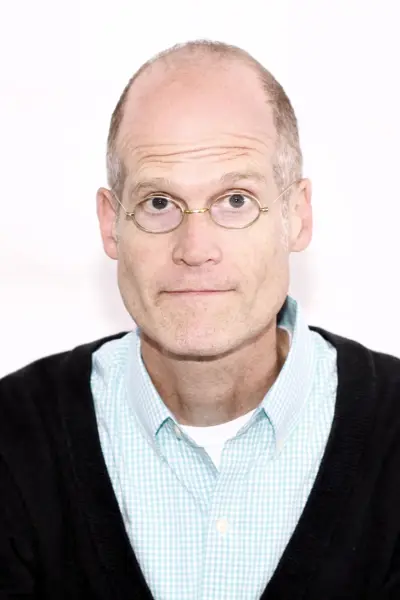
Franklin Christenson "Chris" Ware is an American cartoonist known for his Acme Novelty Library series (begun 1994) and the graphic novels Jimmy Corrigan, the Smartest Kid on Earth (2000), Building Stories (2012) and Rusty Brown (2019). His works explore themes of social isolation, emotional torment and depression. He tends to use a vivid color palette and realistic, meticulous detail. His lettering and images are often elaborate and sometimes evoke the ragtime era or another early 20th-century American design style.
