Carroll Quigley Quotes
The powers of financial capitalism had a far-reaching aim, nothing less than to create a world system of financial control in private hands able to dominate the political system of each country and the economy of the world as a whole. This system was to be controlled in a feudalist fashion by the central banks of the world acting in concert, by secret agreements arrived at in frequent meetings and conferences.
Quigley, Carroll. Tragedy and Hope: A History of the World in Our Time. Macmillan, 1966, p. 324.


FDR even admitted that very wealthy men and corporations controlled most U. S. governments including the administration of his own political party. Roosevelt did a great deal to improve the situation but by the latter years of the 20th century, private financial entities gained back much of the influence and control. The result was the Meltdown of 2008 and the Great Recession, where another set of regulations and laws (Dodd-Frank) was made law by the Obama Administration. However, the financial corporations still had enormous political influence as a result of unlimited campaign contributions to politicians and unlimited lobbying.


Roosevelt saw to it that the contents of the telegram was shown to the press. Then this statement was seen by the foreign delegates who viewed themselves as ‘international bankers”. They were outraged and the conference blew up with no significant action taken. Roosevelt was desperately trying to lead America out of the Great Depression which Herbert Hoover had left him with. The dollar had been falling in value since the 1929 crash and one of the likely outcomes of the conference was European and other nations putting a plan together to stop the fall of the dollar. FDR however, wanted the dollar to continue to fall. This would make it harder for Americans by buy imported products, but easier to employ more Americans making products for export. The people hurt most by The Depression did not buy any imported products, and what they needed was food, housing, clothing, education and medical care, none of which would be affected by a weaker dollar and more expensive imports. However, he did not want a political argument with the wealthy and upper middle class who wanted cheaper imports, so some people believe that he made it seem that he had committed a diplomatic blunder and that caused the conference to collapse.


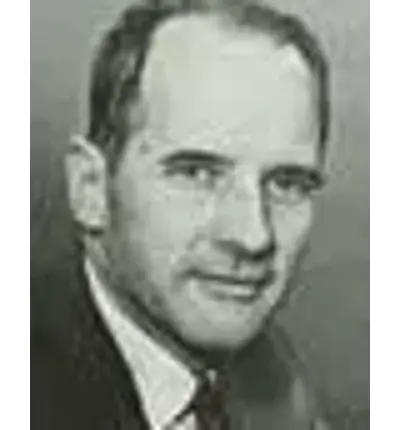
Carroll Quigley was an American historian and theorist of the evolution of civilizations. He is remembered for his teaching work as a professor at Georgetown University, and for his writing about global conspiracies, in which he argued that an Anglo-American banking elite have worked together for centuries to spread certain values globally.
