Kimberle Williams Crenshaw Quotes
The point of feminism is you shouldn't have to be a man to be treated with equal respect.


Mrs. Roosevelt thought that with the rate of improvement in society’s perception and treatment of women was improving so steadily that women in America were not far from equality. Because of the shortage of men on the home front in WWII women had performed well in virtually all occupations including welding, heavy construction and management and it was just a matter of time to reach equality of pay and parity. However, she and most feminists did not take into account the 2 million men returning from military service who wanted their jobs back. Sexists, who had been suppressed during the war when they objected to women in non traditional occupations, were no longer silenced by national necessity. An occupational backlash developed. Then a sexual one regarding contraception and family planning, (Condoms for example were illegal up to 1963 as birth control device). Each major step forward was accompanied by its own backlash and even in the Presidential Campaign of 2012 contained debate on women’s control over their own bodies relative to abortion and contraception.


See {618590} for an example of the kinds of issues which motivated her statement.


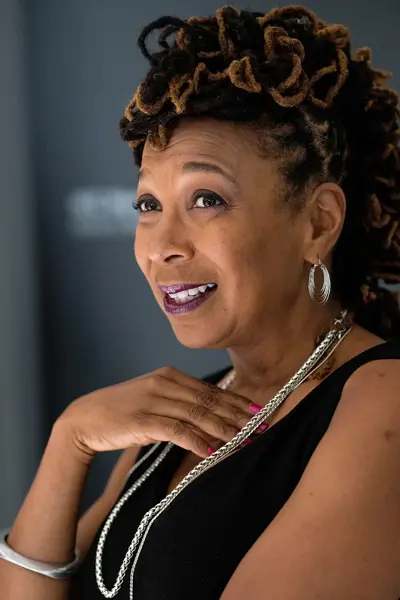
Kimberlé Williams Crenshaw (/ˈkɪmbərli/; born 1959) is an American lawyer, civil rights advocate, philosopher, and a leading scholar of critical race theory who developed the theory of intersectionality. She is a full-time professor at the UCLA School of Law and Columbia Law School, where she specializes in race and gender issues. Crenshaw is also the founder of Columbia Law School's Center for Intersectionality and Social Policy Studies (CISPS) and the African American Policy Forum (AAPF), as well as the president of the Berlin-based Center for Intersectional Justice (CIJ). Crenshaw is known for the introduction and development of intersectionality, the theory of how overlapping or intersecting social identities, particularly minority identities, relate to systems and structures of oppression, domination, or discrimination. Her scholarship was also essential in the development of intersectional feminism which examines the overlapping systems of oppression and discrimination to which women are subject due to their ethnicity, sexuality and economic background.
