Isabella Ormston Ford Quotes
The past subjection of women has so chastened women, so trained her to think of others rather than of herself, that after all it may have acted more as a blessing rather than a curse to the world? May it not bring her to the problems of the future with a purer aim and a keener insight than is possible for a man?
Isabella Ormston Ford, 1855–1924, English social reformer, suffragist and writer, Member of the Executive Committee of the Independent Labour Party, Women and Socialism
Sourced by: Eigen's Political and Historical Quotations


The Greek culture was quite sexist. However, all cultures had observed strong women, some who ruled and others where wives or mistresses of rulers were very influential if not powerful.


Most modern feminists would not agree with this quotation by one of the great early femonists.


First female presidential candidate & first divorcee to run for that office

Golden was one of the leading theater producers of the 1920s and 1930s. There is even a theater on Broadway named after him. This statement reflects a common attitude of the late 1930s of even many educated people. A few like Eleanor Roosevelt saw such a statement for what it was—ridiculous and responded publicly – {636785} . Note that for many years, this was a self-fulfilling statement. Producers like Golden thought women could not be great playwrights and therefore would never produce a play authored by a woman. Then others would use the fact that there were no even good plays that were written by female authors as evidence of the act that women could not be great playwrights.

The CAA was the Civil Aeronautics Administration, the forerunner to the Federal Aviation Administration (FAA).

SNCC had been formed to promote equality, but race and class were the issues, not gender. Many of the women left SNCC and proceeded separately to start a women’s movement.


Puglia was an anti feminist. The stoa was the city square where men commonly congregated and discussed politicis.

This question he asked of an interviewee was at the time not even considered offensive of patronizing and women and men who advocated careers for women would try to explain that women could do both. Very few would counter with the point that what about men and their “neglect” of family life or the reality that through the entire Second World War MILLIONS of women were working. This quotation illustrated the culture change in the years since then.


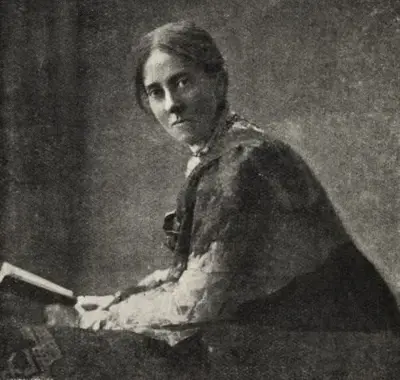
Isabella Ormston Ford was an English social reformer, suffragist and writer. She became a public speaker and wrote pamphlets on issues related to socialism, feminism and worker's rights. After becoming concerned with the rights of female mill workers at an early age, Ford became involved with trade union organisation in the 1880s. A member of the National Administrative Council of the Independent Labour Party, she was the first woman to speak at a Labour Representation Committee (which became the British Labour Party) conference.
