Galina Vishnevskaya Quotes
The major newspapers simply stopped writing about me, and my voice could no longer be heard on radio or television.
Vishnevskaya, Galina. Galina: A Russian Story. Translated by Guy Daniels, Harcourt Brace Jovanovich, 1984.


The segment to which he referred were corporations. In his view, the then existing limits on corporate contributions to political campaigns were a “muffling” of the most experienced economic operatives in our society—corporations. Therefore this was censorship of the corporation’s right to freedom of speech. So in his view, in addition to the rights that were abrogated the nation was being blocked from receiving the political voice of one of its best sources of experience and wisdom regarding economic matters. The Supreme Court with the George W. Bush appointees became much more conservative and a few years later, with Scalia leading the charge, the court overruled itself and all its precedents and decided that Corporations were entitled to free speech. See {642321} for an earlier Supreme Court view that corporations were not entitled to the protection of citizens. This Scalia statement was quoted by fellow Supreme Court justice Anthony Kennedy in one of his opinions.


Tweed was the powerful boss of New York City’s corrupt political machine—Tammany Hall. The newspapers had been attacking Tweed and Tammany Hall for several years but they never resonated with the public. The cartoons of Thomas Nast however were not only understood by illiterates, but the cartoons caused an emotional reaction against Weed and his organization which led to their downfall.
By restricting or limiting the campaign contributions of corporations, Scalia observed, the government is in effect is muffing the voices of the entities which not only is a great source of information on the economy, but it represents and is a very large component of the American economy itself. The Citizen United case resolved that issue to obtain the views and information of the corporations, but in the views of many others the price society pays is very high—perhaps too high.


He was referring to placing limits on campaign spending so that the rich people and corporations will not spend so much that most citizens will never be heard. The Supreme Court in a 5-4 decision, decided that despite the negative effect on the speech of others, the government could not place spending limits on individuals or corporations.


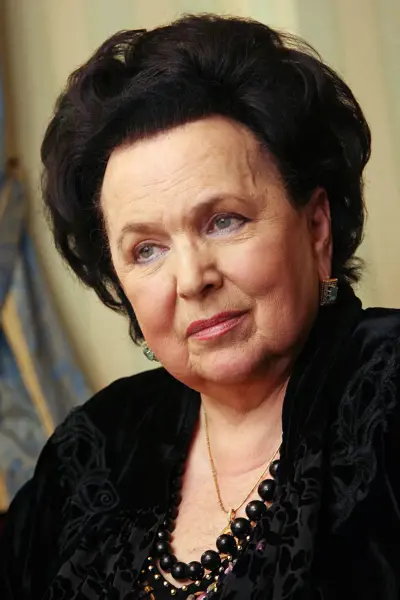
Galina Pavlovna Vishnevskaya was a Russian soprano opera singer and recitalist who was named a People's Artist of the USSR in 1966. She was the wife of cellist Mstislav Rostropovich, and mother to their two daughters, Olga and Elena Rostropovich.
