Edward Gibbon Quotes
The laws of war, that restrain the exercise of national rapine and murder, are founded on two principles of substantial interest: the knowledge of the permanent benefits which may be obtained by a moderate use of conquest, and a just apprehension lest the desolation which we inflict on the enemy's country may be retaliated on our own. But these considerations of hope and fear are almost unknown in the pastoral state of nations.
Gibbon, Edward. The History of the Decline and Fall of the Roman Empire. Vol. 2, W. Strahan and T. Cadell, 1781, p. 575.


In the Afghanistan and Iraq Wars the U. S. government was much criticized for not treating captured Taliban and others as prisoners war. This Article is their main justification. The Taliban and Al Quida did not meet most of the criteria and therefore the convention did not apply to them.


This is true. There never has been any International law that made a belligerent responsible for civilian damages and deaths that were the result of collateral damage. However, the United States over the years, more so than any other country. Provided huge amount of aid to the citizens of the enemy nations although there was no legal obligation to do so.


The note was found in an abandoned Japanese camp on Bataan. There are some who believe that this note was a forgery. However, most think it genuine as it reflected one of the Japanese
“aces in the hole” to defend against an allied invasion of the Japanese mainland. It was one of the reasons that some American planners advocated use of the Atomic Bomb. Of course that was a real risk of using the bomb. The Japanese might be so angry and feel morally abused and kill the many allied prisoners they had. Many thought it was a lesser risk because it did not have the symbolic animus that foreigners occupying the Japanese homeland had. The quotation illustrates the amazing complexity that the American and allied leadership faced trying to end WWII in the Pacific.


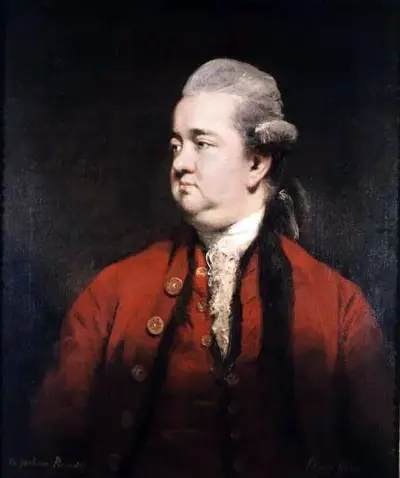
Edward Gibbon FRS was an English historian, writer and Member of Parliament. His most important work, The History of the Decline and Fall of the Roman Empire, was published in six volumes between 1776 and 1788 and is known for the quality and irony of its prose, its use of primary sources, and its polemical criticism of organised religion.
