Horatio Alger Quotes
The institution of chivalry forms one of the most remarkable features in the history of the Middle Ages.
Alger, Horatio, Jr. "Chivalry." Gleason's Pictorial Drawing-Room Companion, vol. 6, no. 2, F. Gleason, 14 Jan. 1854, p. 23.


Chivalry was a set of rules that regulated the behavior of knights especially as to their behavior in battle. It was the Medieval equivalent of the Geneva Convention. At the time knights fought against knights and peasants fought against peasants. After time the fighting was mixed. Previously, if a knight was subdued by other knights, he would surrender and promise to fight any more and that would be honored. But when a small group of peasants brought down a knight in armor, he could not surrender. He had probably killed other lightly armored peasants who were friends, and the peasants did not trust the knights. So typically, the peasants just killed the fallen knight. Social class determined the concepts of honor, fairness, trust, and chivalry came to an end.


The battle was historic because in September 1356 English The Black Prince's great victory over the French King John in Western France was critical in the 100 Years War.


A fief was an estate of land and people. The man who had the title to the fief was obligated to raise troops from his estates and lead then at the command of the King. Women, under English law could not inherit a fief—it went to the oldest son. However, once the military element of fiefdom was eliminated, Johnson saw no reason why women should no longer inherit feifs and the titles that went with them.


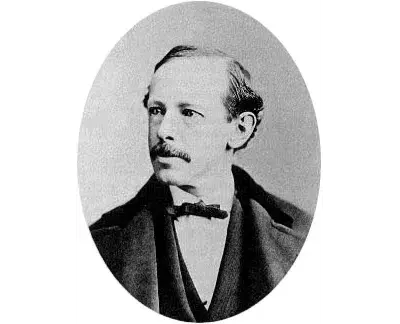
Horatio Alger Jr. was an American writer of young adult novels about impoverished boys and their rise from humble backgrounds to lives of middle-class security and comfort through good works. His writings were characterized by the "rags-to-riches" narrative, which had a formative effect on the United States during the Gilded Age.
