Viktor Orban Quotes
The Hungarians, by nature, are not extreme. They become more extreme only when they are forced to fight for their freedom, as was in the case in the uprising against the communists in 1956 or the revolution against the Austrian Empire. They will not turn extreme in the name of despotism.
Orbán, Viktor. "Interview with Viktor Orbán." The Daily Telegraph, Telegraph Media Group, 2011.


Martin, then a young sailor had set forth from France to fight the Japanese in World War II. By the time he arrived in the Pacific, the Japanese were defeated and France was again trying to dominate Vietnam. It was a radicalizing experience for him.


He was elected to Parliament while in jail and never took his seat as he died as the result of a hunger strike in jail.

He had been exiled to the United States.

He had been King of Portugal and then had come to the Portuguese colony of Brazil where he led a revolution against Portugal, declared independence from the “mother country, and was elected as Emperor of Brazil. The Colony was much larger and richer in natural resources than the “mother country.”


In most revolutionary settings leaders have to persuade people who have voted with no success to turn to the rifle. In Ireland at this point, almost all the nationalsits knew that the rifle would help them but they were not sure that a vote would have the effect of a bullet.


Ultranationalist Secret Organization. Unlike the Italian Black hand for whom it was named, the Serbs were not interested in money. The were a right wing death squad that assassinated all who opposed a single, unitary, Serbian nation. Dimitrijevic was executed in 1917.

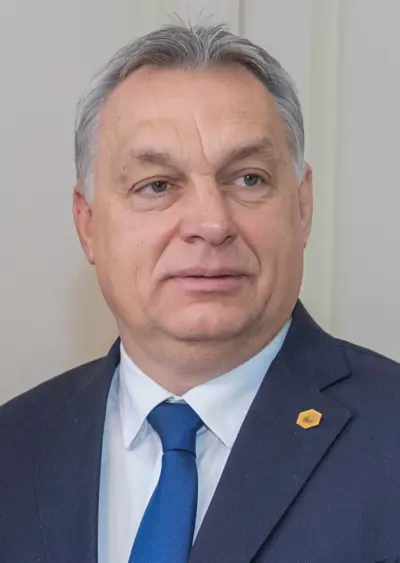
Viktor Mihály Orbán is a Hungarian politician who has been Prime Minister of Hungary since 2010; he was also Prime Minister from 1998 to 2002. He has also been President of Fidesz, a national conservative political party, since 1993, with a brief break between 2000 and 2003. Under his control it became the most centralized, most homogeneous and most disciplined party in Hungarian history. He supervises communications, long-term planning, daily operations, policy direction, and selection of candidates.
