Stanislaw Jerzy Lec Quotes
The constitution of a country should not violate the constitutions of its citizens.
Lec, Stanislaw Jerzy. Unkempt Thoughts. Translated by Jacek Galazka, St. Martin's Press, 1962.


The early legal meaning of Civil Rights was very narrow. It referred to rights in normal non-governmental activities---shopping, education, social interaction, etc. However, it was the government who was depended on to enforce these rights. Later activities operated by state and local government were included like public education or the right to use a public bathroom, and for many even includes voting rights. Modern definitions consider civil rights to include all those rights to which an individual is entitled by virtue of his citizenship—including voting rights and others having to do with government—especially those of the 13th and 14th Amendments.


For the classic formulation, see Brandeis, Olmstead v. U.S., 1927


The choice is usually contrasted between guilty persons going free, rather an innocent one be adjudicated guilty. But here the justice tells us that the avoidance of an innocent person being subject to easy arrest is important enough to have a system where guilty people sometimes escape justice.

Two years after 9-11 the George W. Bush administration was pushing the envelope on due process, ethnic profiling and other civil rights issues. Clinton wanted to be helpful so he chastised those civil libertarians who were totally fixated on civil rights to the exclusion of almost all else.


Porfirio Diaz - the longtime dictator of Mexico stole the election of 1910 and had his opponent Francisco Madero arrested and imprisoned. Madero got out, crossed the border to San Antonio, and issued this declaration which started the Mexican Revolution. See {613620} for the statement that declared the Revolution.


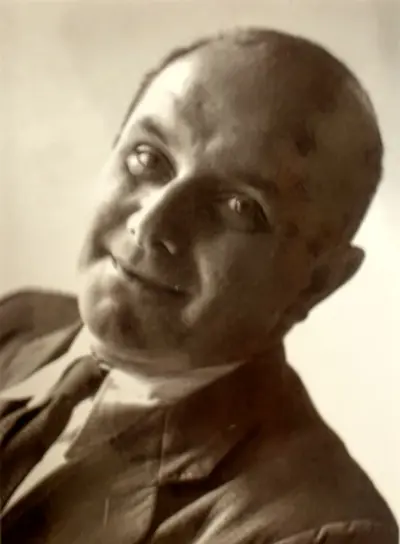
Stanisław Jerzy Lec, born Baron Stanisław Jerzy de Tusch-Letz, was a Polish aphorist and poet. Often mentioned among the greatest writers of post-war Poland, he was one of the most influential aphorists of the 20th century, known for lyrical poetry and skeptical philosophical-moral aphorisms, often with a political subtext.
