Gro Harlem Brundtland Quotes
The burden of disease falls on the poor.
Brundtland, Gro Harlem. The World Health Report 1999: Making a Difference. World Health Organization, 1999, p. 13.


Wealthy Americans are far healthier and live longer than poor Americans.


This was a new idea for most Americans at the time. A century later, there were still a few politicians who did not accept this idea.


In some areas, the United States has the best performance in the entire world—length of survival rates for breast cancer and some other diseases for example. However, on basic medical services, like infant mortality, we have a poorer record than all the other industrialized countries. Cuba and Costa Rica are better than us in this area and their citizens actually have a longer life expectancy than Americans. Emmanuel makes the argument that the cost differential between US health care and other—even better systems—is so great that we can easily save money and reform our system without rationing medical care or wait in lines for surgery. However, to do so, there must be huge reforms and few in the system want to risk changing anything. It is hard for most Americans to face the fact that other countries offer obvious medical superiority in many areas. For example, in France, if you call their emergency telephone number for a medical emergency a doctor answers the phone, not an operator with only modest medical knowledge. When a French ambulance is dispatched, it does not have emergency medical technicians only, but there is a doctor and a nurse in the ambulance. And the ambulance itself is equipped to do emergency surgery of other critical treatment if time is critical.


The CDC scientists track communicable diseases and are responsible for creating vaccines each year in time to limit the “flu season’ and other disease mortality and morbidity. In the government shutdown, they could not even volunteer to work in their own laboratories.


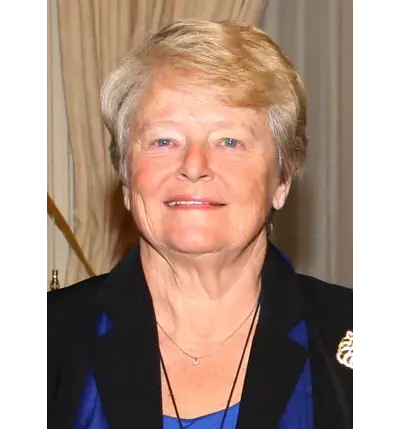
Gro Harlem Brundtland is a Norwegian politician, who served three terms as Prime Minister of Norway (1981, 1986–89, and 1990–96) and as Director-General of the World Health Organization from 1998 to 2003. She is also known for having chaired the Brundtland Commission which presented the Brundtland Report on sustainable development.
