Thomas K. Finletter Quotes
The American system is so constituted that it produces a conflict between the Executive and Congress every time the Executive tries to be positive and strong.
Thomas K. Finletter, 1893-1980, U. S. Secretary of the Air Force (Democrat), Can Representative Government Do the Job?, 1945
Sourced by: Eigen's Political and Historical Quotations


Contemplating the effect of a Presidential line-item veto:


This notion seems to have first been expressed by Edward S. Corwin in 1940


Alberto Gonzalez, White House Counsel and later Attorney General who was forced to resign and David S. Addington, Counsel to the Vice President, had come up with a novel view of the powers of the presidency. They argued that since the President is the Commander in Chief, in a war situation or intelligence gathering thereto, has the Constitutional responsibility for that function, he need not obey any laws of Congress as in the conduct of the war Congress would be impinging on the Constitutional separation of powers which itself was prohibited by the Constitution. The argument did not find any significant legal support but for a while the George W. Bush White House behaved as if this were the law, despite the fact that even in the American Revolution and the War of 1812 Congress passed laws regulating the conduct of the armed forces as is provided for in other parts of the Constitution. Yet even Goldsmith would allow the President some powers that many think are unconstitutional and/or belong to Congress. See {32436}.


This was Executive Privilege of the time. The result of this type of conflict between the executive and the legislative body was a Civil War in which Parliament won. This concept of executive privilege operates to this day in America where the President typically refuses to have his special assistants and staff be questioned by Congressional investigating committees. IT also extends to documents where the President has refused to allow Congress access to papers. In the Watergate scandal, it was the Supreme Court Decision that President Nixon could not claim Executive Privilege with respect to the Watergate tapes. Their exposure forced his resignation.

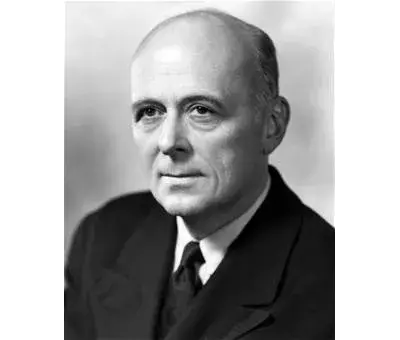
Thomas Knight Finletter, was an American lawyer, politician, and statesman.
