Isaac Backus Quotes
That which has made the greatest noise is a tax of three pence a pound upon tea; but your law of last June laid a tax of the same sum every year upon the Baptists in each parish ... And only because the Baptists at Middleboro have refused to pay that little tax, we hear that the first parish in said town have this fall voted to lay a greater tax upon us. All America are alarmed at the tea tax; though, if they please, they can avoid it by not buying the tea; but we have no such liberty. We must either pay the little tax, or else your people appear even in this time of extremity, determined to lay the great one upon us.
The Baptists were a small minority in Massachusetts, and the English controlled Government encouraged the taxing of dissenting religions.
Isaac Backus, 1724-1806, Baptist leader of Colonial Massachusetts, A Plea Before the Massachusetts Legislature, 1774
Sourced by: Eigen's Political and Historical Quotations


A Capuchin monk and his Muslim servant had disappeared from the streets of Damascus just before the Jewish Passover. A rumor got started that Jews had kidnapped and murdered them so that they could use their blood in making the traditional Passover matzoh. This was an old disproven canard from the Middle Ages. This absurd lie, which persists in some Islamic nations, was referred to as the “Blood Libel”. However many Jews were rounded up and jailed with calls for their execution. Protests were made by countries the world over. Van Buren mobilized the American diplomatic machinery in one of America’s first coordinated diplomatic campaigns in defense of human rights. Instructions were sent to American diplomats in Turkey and Egypt to strongly send the American message and position. It was successful. See {613362}.

Both Puritans and Quakers were persecuted and physically abused in England by the Anglican Church. The Puritans as soon as they became dominant in part of the American colonies began persecuting Quakers. The Quakers who were the majority in the Pennsylvania colony, however were tolerant of other religions. This history was another of the many reasons the Founding Fathers wanted no established church. A “scorpion” was a type of whip that was particularly painful.

The General Court was the Legislature and the Judiciary of the Colony of Massachusetts. Quakers could be arrested without a warrant that protected all others, and were offered a choice between banishment and death. Our Founding Fathers were very familiar with this law and the many others like it when they wrote the First Amendment allowing freedom of religion and banning an America established church.


Ministers refers to the Government Ministers, not to clergy.


[This was the first Abolition appeal written by a Black Man. It was published in Boston and despite the fact that it was very critical of whites, was very popular going through two more printings within the next two years.]


This moral statement from a New jersey Quaker abolitionist is not particularly noteworthy, However what makes this quote important is that Woolman traveled throughout the South preaching this as his main theme. At that time — before the American Revolution — he did so and was not attacked or intimidated; he was mostly ignored by the Southern authorities. At the time, the South was very confident of its ability to continue slavery. Years later, when the abolition movement grew larger and stronger, a Northern Quaker Preacher doing this not not escape with his life.


In the first part of the 18th Century, one county in Virginia became a magnet for runaway indentured servants, The more runaways settled there the more empathetic and hospitable they were to new runaway servants. The culture at the time had identified knowing your place in society and accepting it. So a runaway indentured servant had renounced their oath and contrast to serve their masters, and hence were not Christians. These renegades were armed and there was not enough political will or support for forcing the County to comply with the laws and mores of the time.

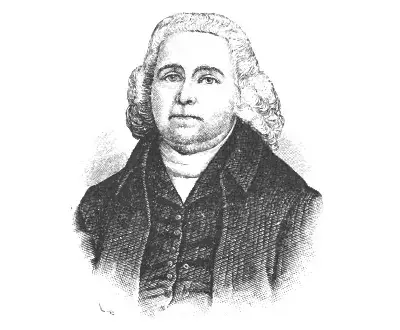
Isaac Backus was a leading Baptist preacher during the era of the American Revolution who campaigned against state-established churches in New England.
