Shelby Steele Quotes
Since the 1960s, when America finally became fully accountable for its past, deference toward all groups with any claim to past or present victimization became mandatory. The Great Society and the War on Poverty were some of the first truly deferential policies.
Steele, Shelby. White Guilt: How Blacks and Whites Together Destroyed the Promise of the Civil Rights Era. HarperCollins, 2006.


He was criticizing the other major Black leader of the time, Booker T. Washington. See {625803} for the kind of position that angered Du Bois.


Olasky and many religiously oriented analysts, believe that public shame shapes and controls behavior and if a society does not have a set of recognized norms, and every person is free to determine his own propriety, there will be moral degeneration and there is no way to produce desirable social and political outcomes. This is perhaps the longest political and philosophical ongoing debate. In a society people cannot be free if there is fear, coercion and chaos with public safety primary. But how can this be produced unless there are generally accepted moral and behavioral codes like that of a religion. And then if one has that, and it is dominant, how can someone be free from the coercion of that morality or religious code? There must be freedom not to believe. Or must there be? Many say yes. Many others, especially orthodox leaders of most religions believe, No. Christian, Jewish and Muslim fundamentalists all say No, but then they insist that the norm be theirs.


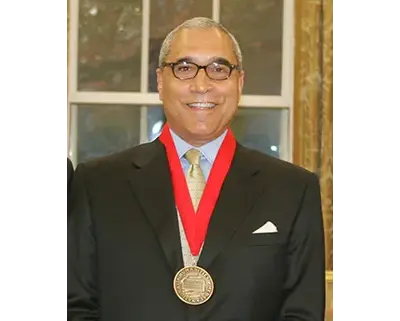
Shelby Steele is a conservative author, columnist, documentary film maker, and a Robert J. and Marion E. Oster Senior Fellow at Stanford University's Hoover Institution. He specializes in the study of race relations, multiculturalism, and affirmative action.
