Henry George Quotes
[Referring to Karl Marx:] ... the prince of muddleheads.
Henry George, 1839-1897, Political economist, Unsuccessful Candidate for New York Mayor, Progress and Poverty, 1879
Sourced by: Eigen's Political and Historical Quotations

Statements like this caused some to believe him a Marxist, but see his quotation on Karl Marx -- {603061}.


Since the end of WWII till the breakup of the Soviet Union, the Bulgarians were part of the Soviet Bloc and operated under communism that was supposedly based on Marxism. However it was not in many critical respects. But few modern Russian style Communists are familiar with or understand Marxism.


This quotation is important because so many modern conservatives regard Keynes as a Marxist economist. Those who do, generally have not read neither the one or the other—possibly neither.


Ataturk was not receptive toward Communism as some other world leaders were at the time. He saw its weakness far earlier than many others.

Derogatory description of John F. Kennedy.


Jorge Mario Bergoglio. The Pope was not affected by the “Red Scare” that so many other world leaders has been. Typically most people opposed to Marxism generally thought that those who were Marxists were evil. Pope Francis, candidly observed that many Marxist were good people and well-intended. In his view they were wrong, being naïve or misguided.


Marx believed that the system of capitalism if it succeeded would be forced to globalize. To him, globalization was an inevitable consequence of capitalism itself and purely national industries would be destroyed.


Vladimir Lenin


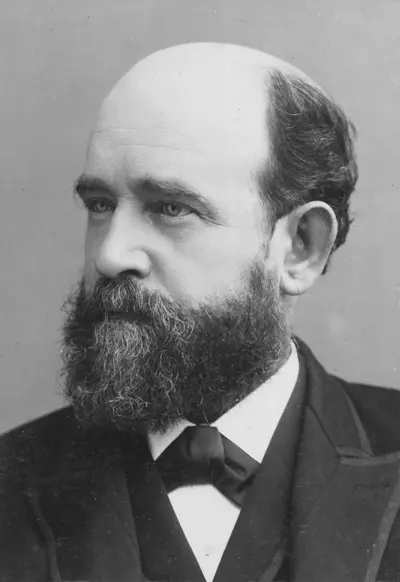
- Born: September 2, 1839
- Died: October 29, 1897
- Nationality: American
- Profession: Economist
Henry George was an American political economist and journalist. His writing was immensely popular in 19th-century America and sparked several reform movements of the Progressive Era. He inspired the economic philosophy known as Georgism, the belief that people should own the value they produce themselves, but that the economic value derived from land (including natural resources) should belong equally to all members of society. He argued that a single tax on land would create a more productive, more just society.
