C. L. R. James Quotes
Property-owners are the most energetic flag-waggers and patriots in every country, but only so long as they enjoy their possessions: to safeguard those they desert God, King and Country in a twinkling.
James, C. L. R. The Black Jacobins: Toussaint L'Ouverture and the San Domingo Revolution. New York: Vintage Books, 1963, p. 27.

Earlier, treaties had been negotiated whereby whites purchased certain Indian lands. Tecumseh and others had objected not only to the concept of land sale, but to those who had sold the lands {612650}.

The possession in perpetuity was the result of the Biblical Jubilee. See {638120} for an example of how the Jubilee functioned. Hebrew citizen could NEVER lose his land permanently even if he could not pay his debts. Spinoza was one of the most feared intellectuals in human history—feared that is by the established power structures. He is the only known person who was excommunicated by the Catholics, the Jews and the Muslims—all were forbidden to read his works. He was the enemy of authority and advocated personal reason as the guide for men.


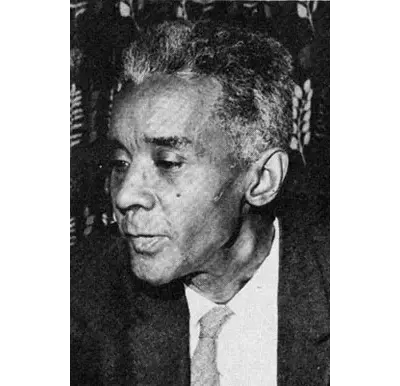
Cyril Lionel Robert James, who sometimes wrote under the pen-name J. R. Johnson, was a Trinidadian historian, journalist and Marxist. His works are influential in various theoretical, social, and historiographical contexts. His work is a staple of Marxism, and he figures as a pioneering and influential voice in postcolonial literature. A tireless political activist, James is the author of the 1937 work World Revolution outlining the history of the Communist International, which stirred debate in Trotskyist circles, and in 1938 he wrote on the Haitian Revolution, The Black Jacobins.
