Studs Terkel Quotes
Perhaps it is this specter that most haunts working men and women: the planned obsolescence of people that is of a piece with the planned obsolescence of the things they make. Or sell.
Terkel, Studs. Working: People Talk About What They Do All Day and How They Feel About What They Do. Pantheon Books, 1974, p. xxx.

This was written in the early years of the Great Depression. Over 25 percent of Americans were out of world. The stock market had crashed and many banks failed wiping out family savings where there was any. Social Security, Bank and Stock Market Regulations were not yet passed. The New Deal government was just starting creating jobs, but there was great concern that the capitalistic system had failed. Thomas and other critics were right that the U. S. Government had not before used its machinery for “ease and security of living”; they called for the adoption of state socialism. President Roosevelt however instead reformed American capitalism by adding substantial regulation, provided direct relief to the unemployed poor, stimulated the economy, created Social Security, Federal Deposit Bank Insurance, unemployment insurance and initiated massive public works programs. It took almost a decade but American Capitalism was saved and transformed to the greatest industrial output and standard of living increase the world had known. It was not until 2008 that the capitalistic American economy melted down again. Regulation of corporations had diminished. The banks failed and had to be bailed out again but as the result of Social Security, Unemployment Insurance and other programs there was some cushioning of the effect of the Great Recession. The middle and lower class insecurity was back along with the wealthy taking a much larger proportion of the national wealth. The big difference was that few called for an end to capitalism and the political debate was on how best to fix the weaknesses of capitalism. Even most socialists around the world had built their Social Democracies around a capitalistic economic structure.


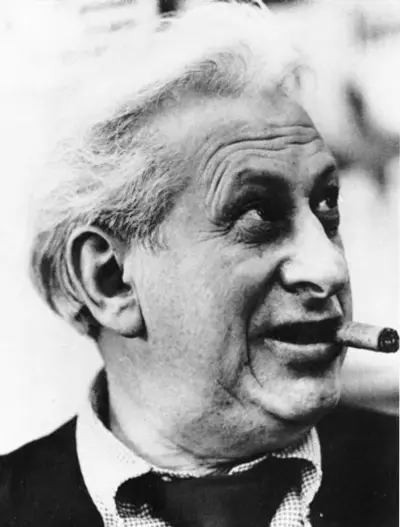
Louis "Studs" Terkel was an American author, historian, actor, and broadcaster. He received the Pulitzer Prize for General Non-Fiction in 1985 for The Good War and is best remembered for his oral histories of common Americans, and for hosting a long-running radio show in Chicago.
