Henry Mayhew Quotes
Park women, properly so called, are those degraded creatures, utterly lost to all sense of shame, who wander about the paths most frequented after nightfall in the Parks, and consent to any species of humiliation for the sake of acquiring a few shillings.
Mayhew, Henry, et al. London Labour and the London Poor. Vol. 4, Griffin, Bohn, and Company, 1862, p. 227.


Schopenhauer was one who believed that monogamy was not a natural state and therefore could never really be enforced. No matter what laws, rules, norms a society has about monogamy, large numbers of people—often majorities—find ways around them. Those who have been the most passionate and public about the importance of monogamy, are often those who personally do not follow that path.


CREEP in the Nixon Campaign. He was himself a convicted Watergate conspirator. Mitchell did not approve the plan, but did not fire Liddy either.


The 13th Amendment prohibited slavery, and she argues that if pimps who force prostitutes to work for them were arrested and prosecuted for slavery, a much more serious crime, it would discourage the pimps and in her view greatly reduce prostitution. Critics argue that other mechanism for the commercial organization of prostitution would replace the pimps. However, the critics have not been able to refute the notion that pimps were the most socially undesirable and criminal elements of prostitution merchandising, and eliminating pimping would be constructive even if there were no change in the number of prostitutes.
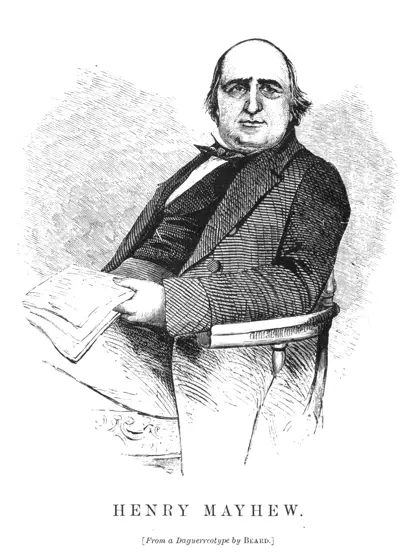
Henry Mayhew was a journalist, playwright, and advocate of reform. He was one of the co-founders of the satirical magazine Punch in 1841, and was the magazine's joint editor, with Mark Lemon, in its early days. He is also known for his work as a social researcher, publishing an extensive series of newspaper articles in the Morning Chronicle that was later compiled into the book series London Labour and the London Poor (1851), a groundbreaking and influential survey of the city's poor.
