Daniel Ellsberg Quotes
Only we, the public, can force our representatives to reverse their abdication of the war powers that the Constitution gives exclusively to the Congress.
Ellsberg, Daniel. "A Call to Patriotic Whistleblowing." Truthdig, 16 May 2006.


President George W. Bush, during the War on Terror, asserted the authority to contravene laws passed by Congress and signed by a previous president. He further, argued that he did not have to inform Congress when he ordered steps that broke the existing laws. His position was based on his claim that there were inherent Presidential powers in wartime granted by the Constitution and the Congress could not override the Constitution.

On why the President should not be given the right to go to war without the approval of Congress:


The Congress over the last century has ceded much of its Constitutional power to the President. Congress has much power to check the President, but just as Congress has not been very competent at legislating, oversight, and conducting hearings and investigations, it has not organized itself to use the powers it has very well.


Senator Grimes thought that Andrew Johnson was a terrible President, but when the House of Representatives impeached President Johnson and he was tried before the Senate, Grimes voted for acquittal. His reason for the his vote was he thought that the Constitution did not provide for the removal if a President just because he has “Unacceptable.” Johnson survived removal from office by a single vote and had Grimes not been so principled about the Constitution, Johnson would have been removed from office. On the other hand, Johnson was a terrible President and many of the nations racial problems in later years emanated from his actions and inactions while in office.


as a result of the Watergate hearings and investigations and proceedings


He was referring to a transportation bill that had been packed with earmarks and pork by his own party.


President Andrew Johnson had been impeached by the House of Representatives and was being tried in by the Senate. A majority of the Senators voted for conviction but the vote was 1 short of the two-thirds that were needed. Johnson remained in office. These were two of the charges against Johnson. A Century later Presidents commonly did both of these. George W. Bush made reappointment of Senate rejected nominees into an art form but after the Johnson trial, these were never to be considered reasons for impeachment again.

Vidal, a staunch liberal held this view along with many ultra conservatives end extreme liberals. The constitution requires the Congress to declare war, but they have not done so for any of the wars since WWII. The President assumed the war power. And the only coherent budgets began.
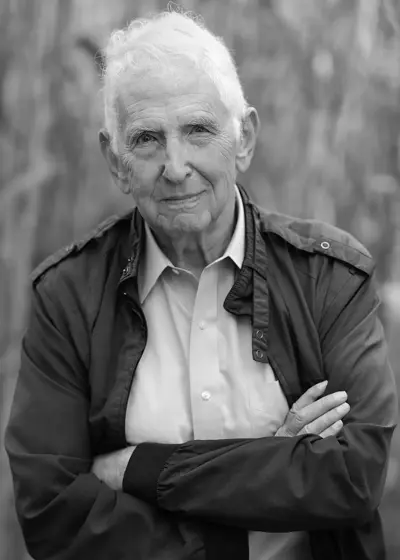
Daniel Ellsberg is an American economist, political activist, and former United States military analyst. While employed by the RAND Corporation, Ellsberg precipitated a national political controversy in 1971 when he released the Pentagon Papers, a top-secret Pentagon study of the U.S. government decision-making in relation to the Vietnam War, to The New York Times, The Washington Post and other newspapers.
