Alice Walker Quotes
One of the triumphs of the Civil Rights Movement is that when you travel through the South today, you do not feel overwhelmed by a residue of grievance and hate.
Walker, Alice. Conversations with Alice Walker. Edited by Carmen Gillespie, University Press of Mississippi, 2010.


The great contralto singer, Marian Anderson, an African American, had been refused by the Daughters of the American Revolution the use of Constitution Hall as a venue for her concert based on their White Performers Only policy. First Lady, Eleanor Roosevelt, resigned in protest from the DAR and she and the President asked Secretary Ickes to arrange a public concert at the Lincoln Memorial and he did. There was no Civil Rights Act at the time.


Arkansas Governor Faubus ordered the national guard to prevent Black students from integrating Central High School in Little Rock. President Eisenhower was a man of action and not rhetoric and his lack of firm public statements overlooked an opportunity to use the Presidential “bully pulpit” and exercise his moral leadership and authority. Armstrong was irate at Eisenhower for appearing to do nothing and say nothing. See {615852}. When Eisenhower did enforce the court order and used Federal troops, Armstrong sent him this congratulatory telegram. His reference to walking into the schools was in support of many who suggested that the best thing the President could have done was to personally take one of the Black students by the hand and walk into the school with him or her. With the mood of the Southern racists, such an act was potentially very risky for the President and it is not known whether of not the President and his staff ever considered such an act.


Having endured centuries of near slavery and discrimination, 70,000 Irish people signed this petition urging American-Irish immigrants to understand the similar plight of African-Americans and to join together with abolitionists. Irish immigrants were nevertheless reluctant to join the abolition movement because the movement was often tied to anti-Catholicism and many feared that the emancipation of Blacks would increase competition for the low-paying jobs immigrants held.


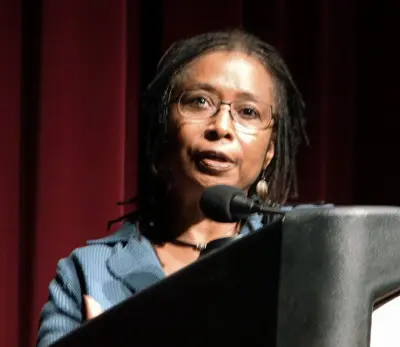
Alice Malsenior Tallulah-Kate Walker is an American novelist, short story writer, poet, and social activist. In 1982, she published the novel The Color Purple, for which she won the National Book Award for hardcover fiction, and the Pulitzer Prize for Fiction. She also wrote the novels Meridian (1976) and The Third Life of Grange Copeland (1970). An avowed feminist, Walker coined the term womanist to mean "A black feminist or feminist of color" in 1983.
