Elbert Hubbard Quotes
One machine can do the work of fifty ordinary men. No machine can do the work of one extraordinary man.
Elbert Hubbard, 1856-1915, Writer & Publisher, The Philistine
Sourced by: Eigen's Political and Historical Quotations


Hine was emphasizing the importance of the worker, However, since 1932, there has been technological change. Behind the building of modern machines are still the brains of men, but not so much the toil anymore. Most machines are made in modern times by a combination of the “toil” of men and robots, and the proportion done by men is steadily decreasing. And this change has been a large factor of the loss of dignity and respect that the American manual worker has undergone.


There were by then few jobs left in the American economy that did not require fundamental literacy and most required post secondary education as well.


His 50 year prediction was a little too optimistic although a large percentage of the routine, and some non-routine, jobs had become automated especially in the automobile and other manufacturing arenas, and many other fields. But there were still some other jobs that were still being done without machines in 2014. Asimov was essentially right but a little early in his timing.

One problem critics have with his argument is that while there is always work to be done, there are not always entities willing to pay for the additional work. Gains in productivity will justify investment in more rapid deployment of technology; thus entities in society are will to invest the funds. But if there is no visible economic return from the additional work, corporations and taxpayers may be unwilling to fund it leading to massive unemployment and instability.


Today we would include the concept of programming to be included in “handling”.
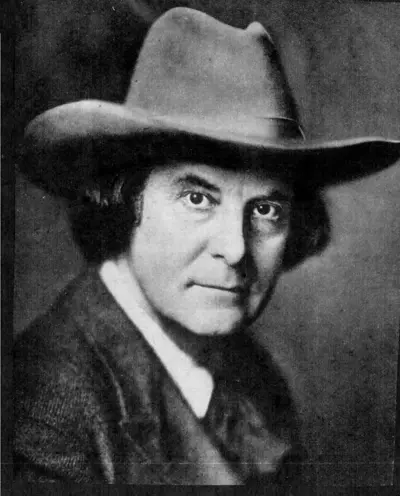
Elbert Green Hubbard was an American writer, publisher, artist, and philosopher. Raised in Hudson, Illinois, he had early success as a traveling salesman for the Larkin Soap Company. Hubbard is known best as the founder of the Roycroft artisan community in East Aurora, New York, an influential exponent of the Arts and Crafts Movement.
