William Shakespeare Quotes
On pain of death, no person be so bold.
Shakespeare, William. Richard II. Edited by Barbara A. Mowat and Paul Werstine, Simon & Schuster, 1996, Act 1, sc. 3, line 42.


A number of the American soldiers refused to obey Calley's illegal order. Some helped some villagers to escape, and a helicopter pilot landed betreen Callery's men and the villagers they were shooting at, and ordered his helicopter machine gun crew to fire on the soldiers if they did back off. The soldiers stopped firing at the civillians. However, his and other reports of the massacre were covered up by the military for a few years. Mai Lai was not the only major war crime perpetrated by Americans in the Vietnam War; there had been a few others. But given the years of fighting and the many opportunities war crimes violations under orders were quite rare. The Viet Cong had many more war crimes that they perpetrated, and our South Vietnamese allies repeatedly committed war crimes against their own people.

The victim would be slowly cut 1000 times in ways to inflict more and more pain but not kill the victim rapidly.


The king was found guilty and was decapitated, but not wearing a crown.


In addition to the immense secular powers that can be used to obtain obedience, in a theocracy, there is the additional weapon of damnation. See {628182} for his use of some of the others.

The terror to which he referred was to the French Revolution’s executing former aristocrats and then including anyone suspected of monarchist sympathies. This quotation shows how fanatics can rationalize evil as justice.


The capital punishment debate was raging in Europe. Belgium and parts of Switzerland had just abolished the death penalty.

Young had been monogamous for 18 years when Church founder and leader Joseph Smith ordered him to take more wives.
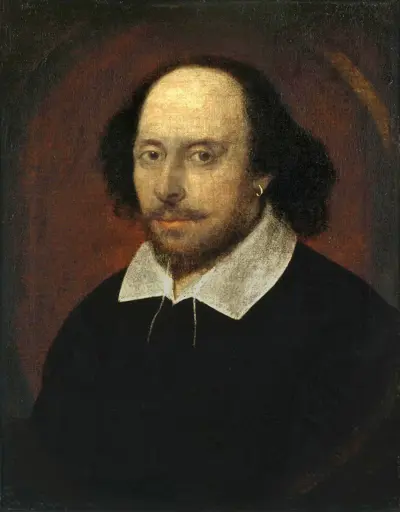
William Shakespeare was an English playwright, poet, and actor, widely regarded as the greatest writer in the English language and the world's greatest dramatist. He is often called England's national poet and the "Bard of Avon" (or simply "the Bard"). His extant works, including collaborations, consist of some 39 plays, 154 sonnets, three long narrative poems, and a few other verses, some of uncertain authorship. His plays have been translated into every major living language and are performed more often than those of any other playwright. They also continue to be studied and reinterpreted.
