Rebecca MacKinnon Quotes
On March 5, 2011, protesters stormed the Egyptian state security headquarters. In real time, activists shared their discoveries on Twitter as they moved through a building that had until recently been one of the Mubarak regime's largest torture facilities.
MacKinnon, Rebecca. Consent of the Networked: The Worldwide Struggle For Internet Freedom. Basic Books, 2012, p. xi.

When any government of police de[artment overreacts in the West, it becomes propaganda for most of the autocracies in the world who generalzie from the incidents and conclude that the west is holdign them to a stadard that they West does really not believe in or follow.


The Muslim Brotherhood had won the Presidency in the first Egyptian democratic election shortly after the ouster of Mubarak when they were the only party that was organized. However, after one year of government, their performance was so bad that critics like El Baradei offered strong public criticism—especially of the preoccupation with Islam with little government attention given to freedom, human rights, and the economy which was in terrible shape. This triggered many protests and demonstrations in Tahrir Square where intimidation of protesters was accomplished by beatings and lynchings in the midst of a large number of Brotherhood supporters who would infiltrate the crowd. The Islamic fundamentalists were particularly harsh on female protesters who were beaten, had their clothes ripped off, and in many cases raped. A few days after this article was published there was an insurrection of huge crowds of Egyptians and the Muslim Brotherhood President Morsi was forced to resign.

The leaders and their members were organizing Civil Rights protests and demonstrations in keys Southern communities. The Southern segregationists commonly referred to the protesters with these three terms. Hoover hated the Civil Rights organizations and many of their leaders and would not allow FBI agents to assure the safety of the demonstrators when they were beaten and brutalized by the Southern law enforcement officers and KKK members—often one and the same as Hoover knew ({637608}). He used the same terms describing the demonstrators as the Southerners did reflecting his biases and sympathies.

There was much democratic pressure from the Russian workers in the decade after the Russian Revolution. This was brutally suppressed by Stalin Immediately after the Russian Revolution, the provisional government appointed him as Ambassador to the United States. However, the provisional government was supplanted when the Bolsheviks took over. Not enamored of Communism, he stayed in the United States with many other Russian refugees.


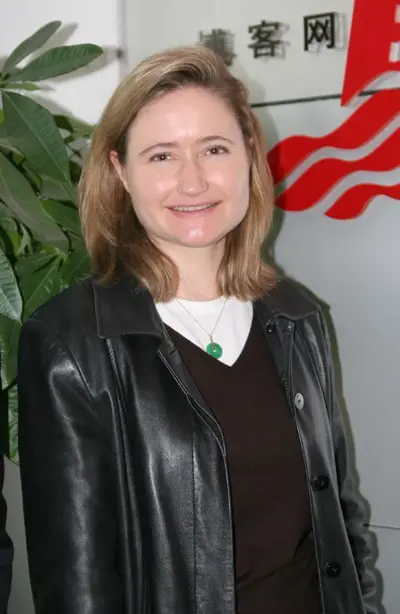
Rebecca MacKinnon is an author, researcher, Internet freedom advocate, and co-founder of the citizen media network Global Voices. She is notable as a former CNN journalist who headed the CNN bureaus in Beijing and later in Tokyo. She is on the Board of Directors of the Committee to Protect Journalists, a founding board member of the Global Network Initiative and is currently director of the Ranking Digital Rights project at the New America Foundation's Open Technology Institute.
