Ralph Waldo Emerson Quotes
Nature hates monopolies and exceptions.
Emerson, Ralph Waldo. "Compensation." Essays: First Series. James Munroe and Company, 1841.


In 1881 this view was that of a radical political outlier. In the first decades of the 21st century, this was a generally acceptable political viewpoint held by members of both major political parties.


The Elkins Act was a cornerstone of Roosevelt’s “Square Deal” program. It authorized the Interstate Commerce Commission (ICC) to impose heavy fines on railroads that offered rebates, and upon the shippers that accepted these rebates. The large corporations and monopolies would get rebates from the railroads and thus pay far less than their smaller competitors to ship their goods. It drove thousands of small companies out of business. This was a basic part of American law until the deregulation of the latter part of the 20th century. So what had been illegal, unethical, and immoral for almost a century, became legal, ethical and moral, but again discriminated against small companies.

She was then the European Commissioner for Competition.


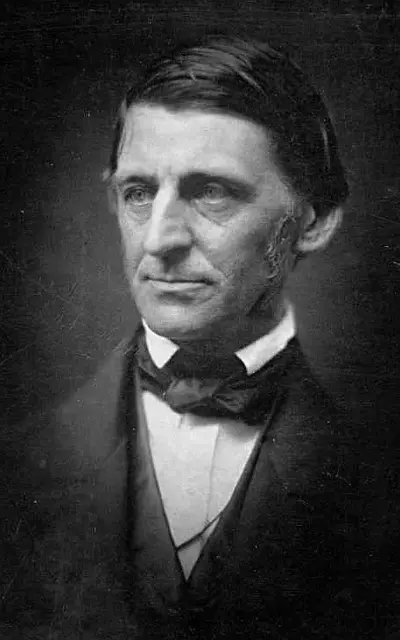
Ralph Waldo Emerson, who went by his middle name Waldo, was an American essayist, lecturer, philosopher, abolitionist and poet who led the transcendentalist movement of the mid-19th century. He was seen as a champion of individualism and a prescient critic of the countervailing pressures of society, and he disseminated his thoughts through dozens of published essays and more than 1,500 public lectures across the United States.
