Carlos Fuentes Quotes
Most writers in Mexico have had posts as ambassadors, secretaries - that is no longer the case. Now a writer can live off writing. He has an audience: there are publishing houses, there are newspapers - so the situation is not as terrible as it used to be when there were no means and he had to go into government service, be an ambassador or a cabinet minister, etc. So, things are changing in the sense that the civil society is now the protagonist. The writer therefore occupies a different position, but no less influential than in the past, in a new, democratic society.
Fuentes, Carlos. Interview by Nathan Gardels. New Perspectives Quarterly, vol. 23, no. 2, Spring 2006.


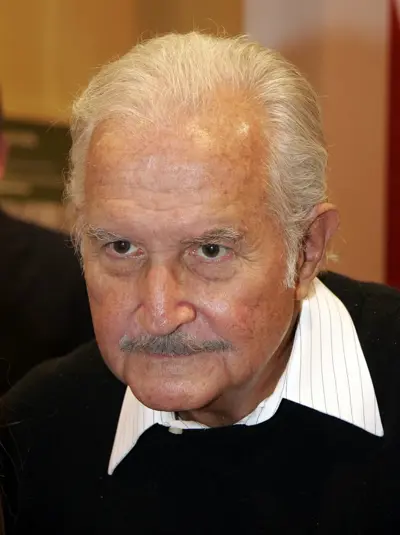
Carlos Fuentes Macías was a Mexican novelist and essayist. Among his works are The Death of Artemio Cruz (1962), Aura (1962), Terra Nostra (1975), The Old Gringo (1985) and Christopher Unborn (1987). In his obituary, The New York Times described Fuentes as "one of the most admired writers in the Spanish-speaking world" and an important influence on the Latin American Boom, the "explosion of Latin American literature in the 1960s and '70s", while The Guardian called him "Mexico's most celebrated novelist". His many literary honors include the Miguel de Cervantes Prize as well as Mexico's highest award, the Belisario Domínguez Medal of Honor (1999). He was often named as a likely candidate for the Nobel Prize in Literature, though he never won.
