Camillo di Cavour Quotes
Lotteries, a tax upon imbeciles.
Mack Smith, Denis. Cavour. Alfred A. Knopf, 1985.


Lotteries in England of the 17th century were recognized as a societal problem. In 17th century England it was the King who was taking advantage of citizen’s weaknesses. Today, in a democracy, it is the average people and the gambling operators who take advantage of those who are susceptible to gambling problems.


The military had made a mess of the Argentine economy and inflation was rampant. Some Argentines turned their Argentine pesos into dollars betting that the Argentine economic situation would get worse, This run from the peso would make it worse. If Argentina stabilized the peso, speculators in dollars would lose money. The Minister trying to discourage a run from the peso, warned Argentinians against the dollar investment. A days later the dollar went up over 30%. Those who had listened to the minister lost much of their money, He was soon forced to resign by the military dictators who controlled the government.

Samuel Langhorne Clemens, 1835-1910. The differential damage to the poor of lotteries was well known in the 19th century but the desire for money of governments, non-profit organizations, and corporations who administer many of the lotteries, blunted attempts to outlaw public lotteries. By the 21st century U. S. State Governments ran the largest lotteries in the world with the same differential detriment to the poor that Twain had described herein.


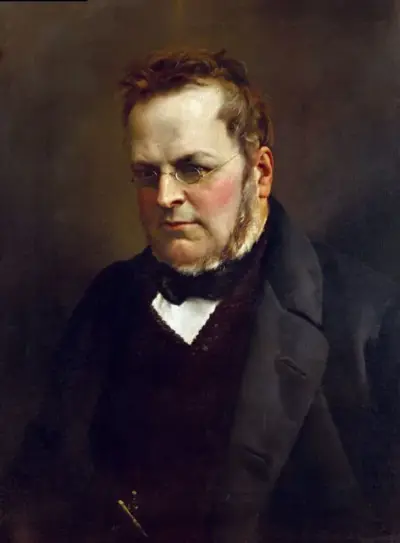
Camillo Paolo Filippo Giulio Benso, Count of Cavour, Isolabella and Leri, generally known as Cavour (/kəˈvʊər/ kə-VOOR, Italian: [kaˈvur]), was an Italian statesman and a leading figure in the movement towards Italian unification. He was one of the leaders of the Historical Right, and Prime Minister of the Kingdom of Piedmont–Sardinia, a position he maintained (except for a six-month resignation) throughout the Second Italian War of Independence and Giuseppe Garibaldi's campaigns to unite Italy. After the declaration of a united Kingdom of Italy, Cavour took office as the first Prime Minister of Italy; he died after only three months in office, and thus did not live to see Venetia or Rome added to the new Italian nation.
