George Packer Quotes
Lawyers, judges, doctors, shrinks, accountants, investigators and, not least, journalists could not do the most basic tasks without a veil of secrecy. Why shouldn't the same be true of those professionals who happen to be government officials?
Packer, George. "The WikiLeaks Threat." The New Yorker, Condé Nast, 2010.


The main reason that the English or American Freedom of Information Act is not used so much by individuals is that the executive agencies make the process of obtaining documents very difficult and then when the government stonewalls, the requestor has to spend a great deal of time and often engage an attorney. The result is that few individuals can spend the time or money and the field consists mostly of media and non profit organizations which have staff and resources.

Nixon was the ultimate pragmatist and used secrecy wherever he felt it might give him an advantage. His logic was that in the American system, the Judicial Branch was the only set of people who could pronounce something illegal. If the issue were secret, the judges could not see it, and therefore could never declare it illegal.

The issue was still not decided by the beginning of the 21st Century except that a certain amount of public disclosure was required if the company raised funds by selling stock to the public, but there were some giant corporations that were private and exercised huge power and influence and yet whose operations were secret.

At the time there was no Secrecy & Classification System nor any laws enforcing secrecy or confidentiality. However there was no freedom of information laws of expectations even on the part of journalists. This was the first Freedom of Information policy of the American government. Some politicians were more open than others but there was no national, governmental before this. There were however leakers and whistleblowers though the terms were not in use. Note that Roosevelt herein created the first whistle blower protection—himself.


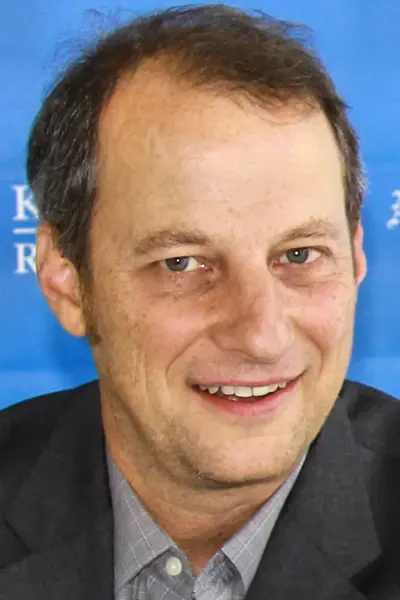
George Packer is an American journalist, novelist, and playwright. He is best known for his writings for The New Yorker and The Atlantic about U.S. foreign policy and for his book The Assassins' Gate: America in Iraq. Packer also wrote The Unwinding: An Inner History of the New America, covering the history of America from 1978 to 2012. In November 2013, The Unwinding received the National Book Award for Nonfiction. His latest book Our Man: Richard Holbrooke and the End of the American Century was released in May 2019.
