David Blunkett Quotes
Judy, we think that since the 11th of September, 2001, we've faced a similar heightened threat level. And we've been enhancing both the exchange of intelligence and security information and the assessment of that information, because that's the crucial element.
Blunkett, David. Interview with Judy Woodruff. Inside Politics, CNN, 24 Dec. 2003.


This is one of the reasons that Europe had many security problems during that period. Some of the countries had very poor intelligence services. Even the ones that did have quality intelligence, tended to avoid sharing intelligence with their neighbors.

36 days later, September 11, he did strike. See {617467} for some of the specific contents. The memo was kept secret by the Bush administration until public pressure as a result of the 9-11 Commission hearings forced the declassification and release. At that point it became clear that there was no reason that the memo could not have been released much earlier except that it was embarrassing. See {637530} and {637533} for two other Bin Laden Warnings that Bush and his team ignored.


Hayden was then ordered to go ahead with several of the ideas for which “no authority existed” including massive secret wiretapping of phone calls that were against the law as it existed. Cheney and the President decided not to ask Congress for a legal change, but took the position that if the President says to do it, it cannot be illegal as he is the Commander in Chief. The lower Federal Courts and the Supreme Court ruled that the doctrine was preposterous and un constitutional.


Bush claimed he did not remember the conversation. His incoming National Security Advisor, Condoleezza Rice, was also briefed about bin Laden by the Clinton anti-terrorism director, Richard Clarke. The Bush Administration ignored the warnings until bin Laden struck on 9-11


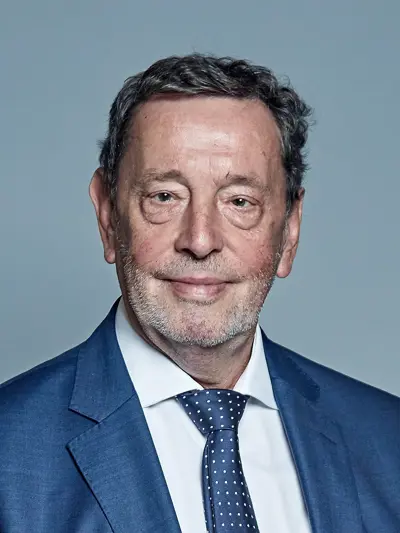
David Blunkett, Baron Blunkett, PC is a British politician, now in the House of Lords, who was MP for the Sheffield Brightside and Hillsborough constituency for 28 years until the 2015 general election, when he stood down. Blind since birth, and coming from a poor family in one of Sheffield's most deprived districts, he rose to become Education and Employment Secretary, Home Secretary and Work and Pensions Secretary in Tony Blair's Cabinet following Labour's victory in the 1997 general election.
