James Wolfensohn Quotes
It's probably conventional wisdom now that you bring openness of markets only after the market has developed to a certain level.
Wolfensohn, James D. A Global Life: My Journey Among Rich and Poor, from Sydney to Wall Street to the World Bank. PublicAffairs, 2010.


Turgot was one of the most advanced economic thinkers in Europe and realized, even before most of the Americans, that by freeing itself England, that the Americans would be forced to become free traders and that in turn would make America a major Economic power despite the fact that American economic policy over the years vacillated between protectionism and free trade.


Whitaker was right bet at that time his advice was not heeded. When Ireland late in the 20th century finally acted on his advice and eliminated almost all of their protectionism, the economy thrived and not only did the Irish emigration stop, but people began to immigrate to Ireland for the economic opportunity.

It was a classic economic protectionist practice to for an imperial nation to sell manufactured goods to its colonies, but not to allow the colonies to sell high labor value goods back to the mother country. The early American colonies were victims of this, and Brandgee was the leader of the protectionist wing of the Republican party. See {640519} for William Howard Taft’s opinion of him.


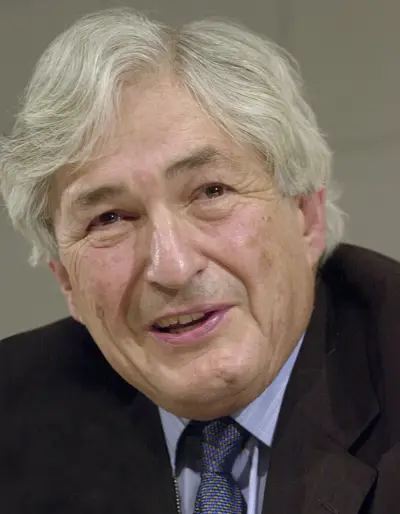
Sir James David Wolfensohn KBE AO was an Australian-American lawyer, investment banker, and economist who served as the ninth president of the World Bank Group (1995–2005). During his tenure at the World Bank, he is credited with the focus on poverty alleviation and a rethink on development financing, earning him recognition as a banker to the world's poor. In his other roles, he is credited with actions that brought Chrysler Corporation back from the brink of bankruptcy, and also improving the finances of major United States cultural institutions, including Carnegie Hall and the Kennedy Center. He served two terms as President of the World Bank on the nomination of U.S. President Bill Clinton, and thereafter held various positions with charitable organizations and policy think-tanks including the Brookings Institution.
