Anne Robert Jacques Turgot Quotes
It must become a nation of free traders, which would throw open its ports to the world, and prove to European nations that the colonial system of restriction and monopoly was founded on delusion
Turgot was one of the most advanced economic thinkers in Europe and realized, even before most of the Americans, that by freeing itself England, that the Americans would be forced to become free traders and that in turn would make America a major Economic power despite the fact that American economic policy over the years vacillated between protectionism and free trade.
Anne Robert Jacques Turgot, 1727-1781, French Finance Minister, Statesman & Economist, Description of the new American republic, Quoted in James Breck Perkins, “France in the Revolution”
Sourced by: Eigen's Political and Historical Quotations


In England at the time, the liberals were for free trade and the conservatives against. In both England and America both liberals and conservatives have flip flopped their roles in foreign trade several times. Free trade is a two edged sword; it aids domestic growth, employment and prosperity in some cases and hurts them on others. And there are always winners and losers for each example of free trade within any country. The result is no long term commitment and much flip flopping.


At that period of American History, the Republicans supported high tariffs and protectionism for American companies and it was the Democrats who were the advocates of free trade. Later each of the parties would flip flop their positions and then say that they were advocating their traditional principles.


The nation, under the pressure of a depression, had adopted a free trade philosophy. We would go back to protectionism in the 1930s and back to free trade in the 1960s. Ironically, it was generally the Republican party that has driven these shifts. There has always been a free trade wing of the party and an isolationist wing.


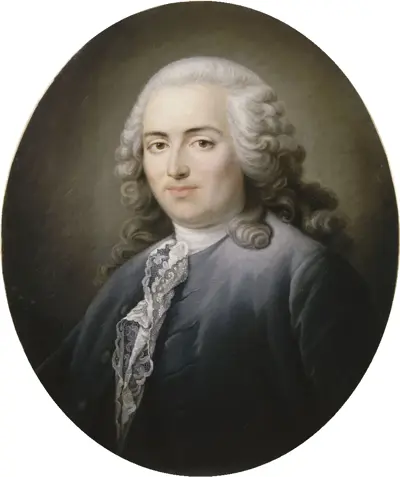
Anne Robert Jacques Turgot, Baron de l'Aulne, commonly known as Turgot, was a French economist and statesman. Originally considered a physiocrat, he is today best remembered as an early advocate for economic liberalism. He is thought to be the first economist to have recognized the law of diminishing marginal returns in agriculture.
