Edward Gibbon Quotes
It was the fashion of the times to attribute every remarkable event to the particular will of the Deity; the alterations of nature were connected, by an invisible chain, with the moral and metaphysical opinions of the human mind; and the most sagacious divines could distinguish, according to the colour of their respective prejudices, that the establishment of heresy tended to produce an earthquake, or that a deluge was the inevitable consequence of the progress of sin and error.
Gibbon, Edward. The History of the Decline and Fall of the Roman Empire. 6 vols., W. Strahan and T. Cadell, 1776-1788.

This is a very interesting quotation for it is a stark illustration of a difference between science and many religions that exists, albeit to a lesser extent. The Church fathers had decided that astrologers and alchemists were in league with the Devil and therefore were to be avoided and not heeded. But Augustine clearly tells us that this is so, even of the astrologers / alchemists were right and had the truth. To the scientist the truth trumps all else. To Augustine, avoiding contamination with the Devil—heresy—is more important than learning the truth. The same sort of logic has been a part of much political culture. When the Communists would decry American Racial discrimination, much of the society claimed that, their ideas should not be considered. Communists were evil and to be shunned—even if they were right about a particular area. To the Tea Party of the early 21st century, elite liberals were to be shunned and discounted even if they sometimes had the truth on their side. The origin of the thinking is with Saint Augustine.


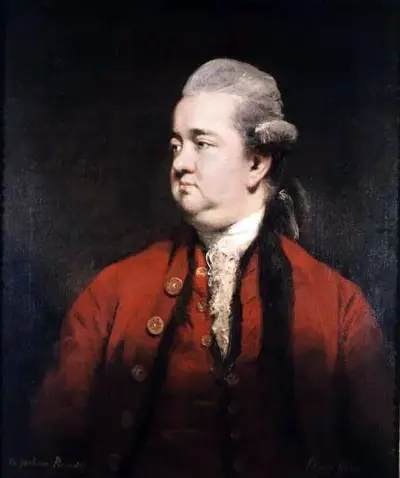
Edward Gibbon FRS was an English historian, writer and Member of Parliament. His most important work, The History of the Decline and Fall of the Roman Empire, was published in six volumes between 1776 and 1788 and is known for the quality and irony of its prose, its use of primary sources, and its polemical criticism of organised religion.
