Richard Baxter Quotes
When we speak to drunkards, worldlings, or any ignorant, unconverted men, we disgrace them as in that condition to the utmost, and lay it on as plainly as we can speak, and tell them of their sin, and shame, and misery: and we expect, not only that they should bear all patiently, but take all thankfully, and we have good reasons for all this; and most that I deal with do take it patiently... But if we speak to a godly minister against his errors or any sin... if it be not more an applause than a reprehension, they take it as an injury almost insufferable.
Baxter, Richard. The Reformed Pastor. William Collins, 1829, p. 195.


This is one of the several examples of Biblical injuntions to burn transgressors at the stake. See Related Quotes for others. Both New and Old Testamant not only did not condemn this cruelty, but actually proscribed it. This was one of the reasons that it was so difficult for Christian nations to abolish the practice. This also is a very notewothy Biblical quotation becasue the daughter in law was to be burned at the stake, even thiugh she was pregnant. In the Old Tetament, the fetus was not considered a person and preserving the life of the unborn child was not considered important becasue the fetus only became a person when the head of the baby could be seen emerging from the mother's vagina. Then and only then was their a life that commanded respect and protection.


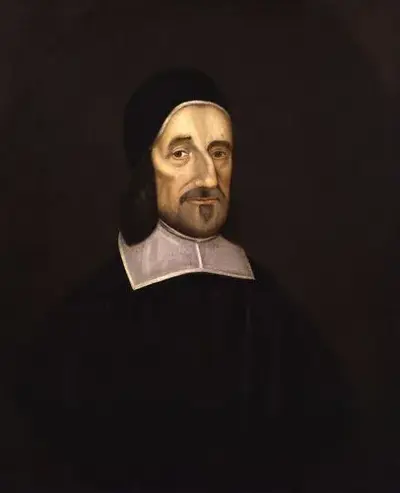
Richard Baxter was an English Puritan church leader, poet, hymnodist, theologian, and controversialist. Dean Stanley called him "the chief of English Protestant Schoolmen". After some false starts, he made his reputation by his ministry at Kidderminster, and at around the same time began a long and prolific career as theological writer. After the Restoration he refused preferment, while retaining a non-separatist Presbyterian approach, and became one of the most influential leaders of the Nonconformists, spending time in prison. His views on justification and sanctification are somewhat controversial and unconventional within the Calvinist tradition because his teachings seem, to some, to undermine salvation by faith, in that he emphasizes the necessity of repentance and faithfulness.
