Martin Buber Quotes
It is not the nature of the task, but its consecration, that is the vital thing.
Buber, Martin. Ten Rungs: Hasidic Sayings. Schocken Books, 1947.


The delegates to the 1787 Constitutional Convention were all men with different opinions. So the intent of the Framers might mean: The intent of the individual who proposed the section, the men who spoke on that section, the majority who voted to keep it in the document. This would be hard enough if there were a transcript of the debate, but there was not. We only have the notes of Madison and a few others at different times. And even they did not know the intentions on a given issue of delegates who did not speak. George Washington, for example, never spoke for or against any particular section of the Constitution. We can infer his intentions from other writings sometimes, but what about the delegates who did not write as much or whose letters and papers have not been found or preserved? The judges who must decide on constitutionality do the best that they can, and there is ALWAYS disagreement when judges make such a judgments and render an opinion.


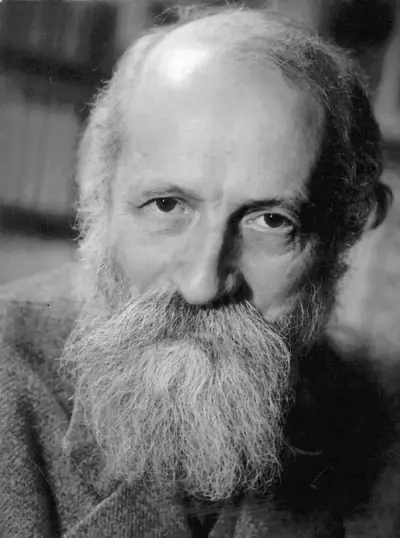
Martin Buber was an Austrian Jewish and Israeli philosopher best known for his philosophy of dialogue, a form of existentialism centered on the distinction between the I–Thou relationship and the I–It relationship. Born in Vienna, Buber came from a family of observant Jews, but broke with Jewish custom to pursue secular studies in philosophy. In 1902, he became the editor of the weekly Die Welt, the central organ of the Zionist movement, although he later withdrew from organizational work in Zionism. In 1923, Buber wrote his famous essay on existence, Ich und Du (later translated into English as I and Thou), and in 1925, he began translating the Hebrew Bible into the German language.
