Felix Frankfurter Quotes
It is not only under Nazi rule that police excesses are inimical to freedom. It is easy to make light of insistence on scrupulous regard for the safeguards of civil liberties when invoked on behalf of the unworthy. It is too easy. History bears testimony that by such disregard are the rights of liberty extinguished, heedlessly at first, then stealthily, and brazenly in the end.
Felix Frankfurter, 1882-1965, U. S. Supreme Court Justice, Davis v. United States, 328 U.S. 582, 597, 1946
Sourced by: Eigen's Political and Historical Quotations

In the aftermath of 9-11, a few government agencies violated the law and civil rights of a number of “Muslims” and/or “Middle Eastern looking” individuals and held them incommunicado with no charges and no warrants. The rationale of those agencies is that they “could not take a chance as lives were at stake. In most major wars in America, there has been an “overreaction” by some officials.


At the time, Wallace and many other Southern politicians were leading efforts to undermine the new Civil Rights Laws ending legal segregation. Most Southern police forces had been major vehicles for enforcing segregation and brutally suppressing any protests or demonstrations against segregation. Law enforcement officers had been active in lynchings and murders.

Even in the United States, there have been occasions where this has happened such as the Japanese American internment in WWII, and the George W. Bush Administrations actions in fighting the War on Terror. Yew was in opposition at the time he made this famous statement. 30 years later when he was the Prime Minister, he had a different view. See {585201}.


See {42210}, {626788}, {626784}. Palmer had been a potential Presidential candidate until his excesses ended that possibility.


The FBI was accused of tapping congressional phones and infiltrating college campuses:

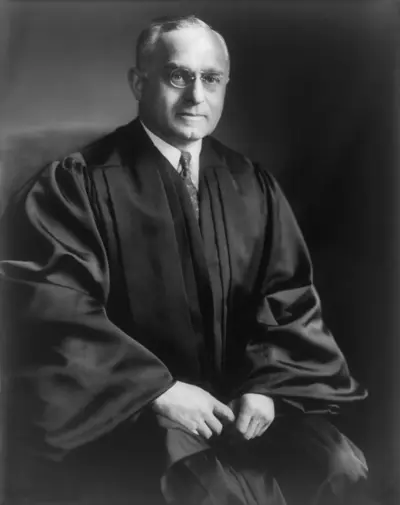
Felix Frankfurter was an American lawyer, professor, and jurist who served as an Associate Justice of the Supreme Court of the United States. Frankfurter served on the Supreme Court from 1939 to 1962 and was a noted advocate of judicial restraint in the judgments of the Court.
