Frederick Douglass Quotes
Liberty is meaningless where the right to utter one's thoughts and opinions has ceased to exist. That, of all rights, is the dread of tyrants. It is the right which they first of all strike down. They know its power. Thrones, dominions, principalities, and powers, founded in injustice and wrong, are sure to tremble, if men are allowed to reason... Equally clear is the right to hear. To suppress free speech is a double wrong. It violates the rights of the hearer as well as those of the speaker.
Douglass, Frederick. "A Plea for Free Speech in Boston." Douglass' Monthly, January 1861, p. 386.


This is a typical statement of human rights policy by many countries. Essentially, some controlling authority states that rights are guaranteed except when it is “dangerous” or contrary to the country’s “best interest”. Of course then anything the authorities want to censor is classified so that it is an exception. To be a right, it must be guaranteed even when hateful, insulting and/or dangerous.

Spinoza’s ideas were considered so radical and dangerous that he was the only man in history who was excommunicated by the Catholics, the Jews and the Muslims.

The House Un-American Activities Committee had been harassing Dr. Edward Condon, the Director of the National Bureau of Standards for advocating scientific working relationships with some Russian scientists.


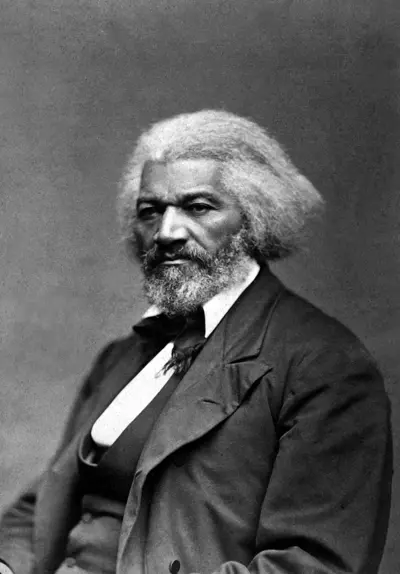
Frederick Douglass was an American social reformer, abolitionist, orator, writer, and statesman. After escaping from slavery in Maryland, he became a national leader of the abolitionist movement in Massachusetts and New York, becoming famous for his oratory and incisive antislavery writings. Accordingly, he was described by abolitionists in his time as a living counterexample to slaveholders' arguments that slaves lacked the intellectual capacity to function as independent American citizens. Likewise, Northerners at the time found it hard to believe that such a great orator had once been a slave.
