Montesquieu Quotes
It is clear that in a monarchy, where he who commands the exceution of the laws generally thinks himself above them, there is lessneed of virtue than in a popular government, where the person entrusted with the execution of the laws is sensible of his being subject to their direction.
Montesquieu, Charles de Secondat. The Spirit of Laws. Translated by Thomas Nugent, G. Bell and Sons, 1914, p. 22.


The statement so offended the Lords—the highest court of England—that he was imprisoned by the Lords and not released until he had recanted the position. The argument goes on today in many countries incuding the United States.


The English considered the new American diplomats very difficult to deal with and felt that gentlemanly English diplomats were ill suited to the task. He recommended:

The World Trade Center and the Pentagon had been attacked by terrorists. The Vice President and other White House senior staff had followed procedure and gone to the protected bunker in the basement of the White House. Cheney was right in that he and the President instituted many illegal practices and taking power from Congress and the Courts. However, the things they elected to do to skirt if not defy the law, were not even good policy and Cheney and Bush became the “government of men” but the result was one of the worst and least popular administrations.


There are a number of reasons for punishing someone for violating a law. Confucius argues that when the person will no longer continue to commit the crime, further punishment is uncalled for. However, others would argue that there are other reasons to keep punishing a person including retribution / vengeance, incapacitation (people can’t commit crimes if they are in jail), and prevention (make an example to discourage others).

1st Baron Macaulay. An autocracy can produce an extensive coherent legal code much easier than a popular government because a few people can make all the decisions and need the final approval of one. The democracy has all the different forces and views of society to contend with and it takes much more to resolve and compromise a final code. The result however is not only fairer generally but is respected more by the people.


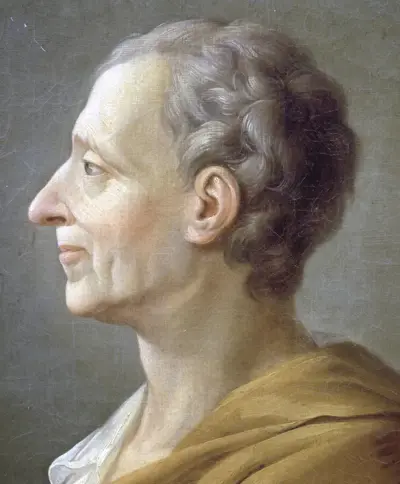
Charles-Louis de Secondat, Baron de La Brède et de Montesquieu, generally referred to as simply Montesquieu, was a French judge, man of letters, and political philosopher.
