Malcolm Lowry Quotes
In the war to come correspondents would assume unheard of importance, plunging through flame to feed the public its little gobbets of dehydrated excrement.
Lowry, Malcolm. Under the Volcano. Reynal & Hitchcock, 1947.


Following the sinking of the battleship Maine in Cuba in 1898, Hearst, then a newspaper publisher, dispatched artist Frederic Remington to Cuba to paint war scenes for Hearst's newspapers. Remington could not find any and so cabled Hearst. This was Hearst’s famous reply. Hearst's newspapers then all called for war, and Congress shortly thereafter declared such,

Steinbeck also served as a journalist as did Earnest Hemmingway and other great American writers. In WWII there was a great deal of censorship and even more self censorship by the press. The result is that many of the U. S. military blunders were covered up on the grounds that it would not be good for the morale of the soldiers to know that their officers had made such tragic mistakes.


In modern times, there have been many incidents of members of the press not supporting the current war effort. Sometimes, it is the greed to get a story, and other times, it is to advocate an alternate strategy. Most often it is a belief that in democracy, only a knowledgeable public can govern the government. The administration or general cannot be relied upon to provide accurate information. Many think The Vietnam War started this problem, but it has been ongoing ever since the Revolution. In the War of 1812, with many Americans dying fighting, other Americans were critiquing the war infuriating the military and the President. Similarly, in all other wars including the Civil War. The relationship between Grant and the Press was as vitriolic as that of the Vietnam War. The war where there was the least conflict between the military and the press was WWII where press were given total access to the front lines without the controls that developed later in the Iraq War.


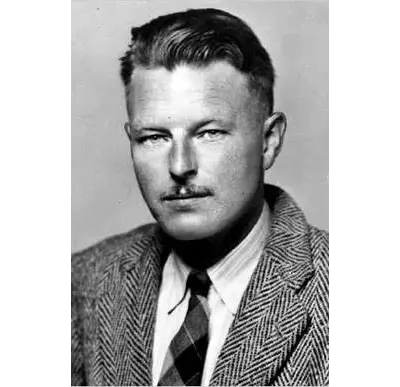
Clarence Malcolm Lowry was an English poet and novelist who is best known for his 1947 novel Under the Volcano, which was voted No. 11 in the Modern Library 100 Best Novels list.
